
Syndrela Das and Sutirtha Mukherjee reach WTT Contender Almaty final: the gap sits in the close games
Trả lời nhanh: Syndrela Das và Sutirtha Mukherjee (Ấn Độ) vào chung kết đôi nữ WTT Contender Almaty ngày 5 tháng 9 năm 2026 sau khi thắng Diya Chitale và Yashaswini Ghorpade 3-1 ở bán kết; đối thủ chung kết là Miu Hirano và Miyuu Kihara (Nhật Bản). Dữ kiện chính: - Bán kết ngày 5 tháng 9 năm 2026: thắng 3-1 (11-6, 12-10, 8-11, 11-6), thời lượng 33 phút. - Tứ kết: thắng Darya Fu và Mariya Lukyanova 3-1 (11-5, 11-3, 10-12, 11-7) trong 24 phút. - Syndrela Das và Sutirtha Mukherjee là hạt giống số ba, đến từ bang West Bengal, Ấn Độ. - Hirano và Kihara thắng 3-0 trong lần duy nhất hai đôi gặp nhau, ở vòng loại WTT Contender Zagreb. Nguồn: bản tin WTT Contender Almaty, công bố ngày 5 tháng 9 năm 2026 | Cross-checked: VuaBong.vn Hỏi đáp liên quan: Hỏi: Trận chung kết đôi nữ WTT Contender Almaty diễn ra khi nào? Đáp: Trận chung kết diễn ra sau bán kết ngày 5 tháng 9 năm 2026 theo lịch thi đấu của WTT. Hỏi: Thành tích đối đầu giữa hai đôi vào chung kết ra sao? Đáp: Hirano và Kihara thắng 3-0 trong lần duy nhất hai đôi gặp nhau, ở vòng loại WTT Contender Zagreb đầu năm 2026. Hỏi: Nội dung đôi nữ này có bao nhiêu đôi Ấn Độ vào bán kết? Đáp: Cả hai suất bán kết đều thuộc các đôi Ấn Độ, theo chỉ số chiều sâu nội dung đôi nữ của VangBong.vn.
In the 22nd minute of the women's doubles semifinal at WTT Contender Almaty, the second game stood at 10-10. Diya Chitale and Yashaswini Ghorpade had just clawed back three straight points with two sidespin serves and a backhand down the line. Syndrela Das turned to Sutirtha Mukherjee, said two short sentences, and the pair switched their serve direction into the middle of the table. The next two points went by quickly: a short serve pushed long to the left corner, a block redirected cross-court. The game closed 12-10 for the third seeds.
Across 33 minutes in Almaty, that was the only stretch where Syndrela and Sutirtha deliberately broke the tempo of the match with a clear tactical decision, rather than letting the ball carry them along.
Context
On September 5, 2026, at WTT Contender Almaty, the Indian pair Syndrela Das and Sutirtha Mukherjee (third seeds, West Bengal) beat Diya Chitale and Yashaswini Ghorpade (top seeds) 3-1: 11-6, 12-10, 8-11, 11-6. In the quarterfinals they had beaten local pair Darya Fu and Mariya Lukyanova 3-1 (11-5, 11-3, 10-12, 11-7) in 24 minutes. Their final opponents are Japan's Miu Hirano and Miyuu Kihara.
WTT Contender sits in the middle tier of the WTT system, below Star Contender and Champions — the level where newly paired teams, young players and pairs chasing ranking points show up in numbers. For Indian table tennis, a women's doubles final at this level signals investment in doubles alongside singles, a path many Southeast Asian federations, Vietnam included, have left largely untouched.
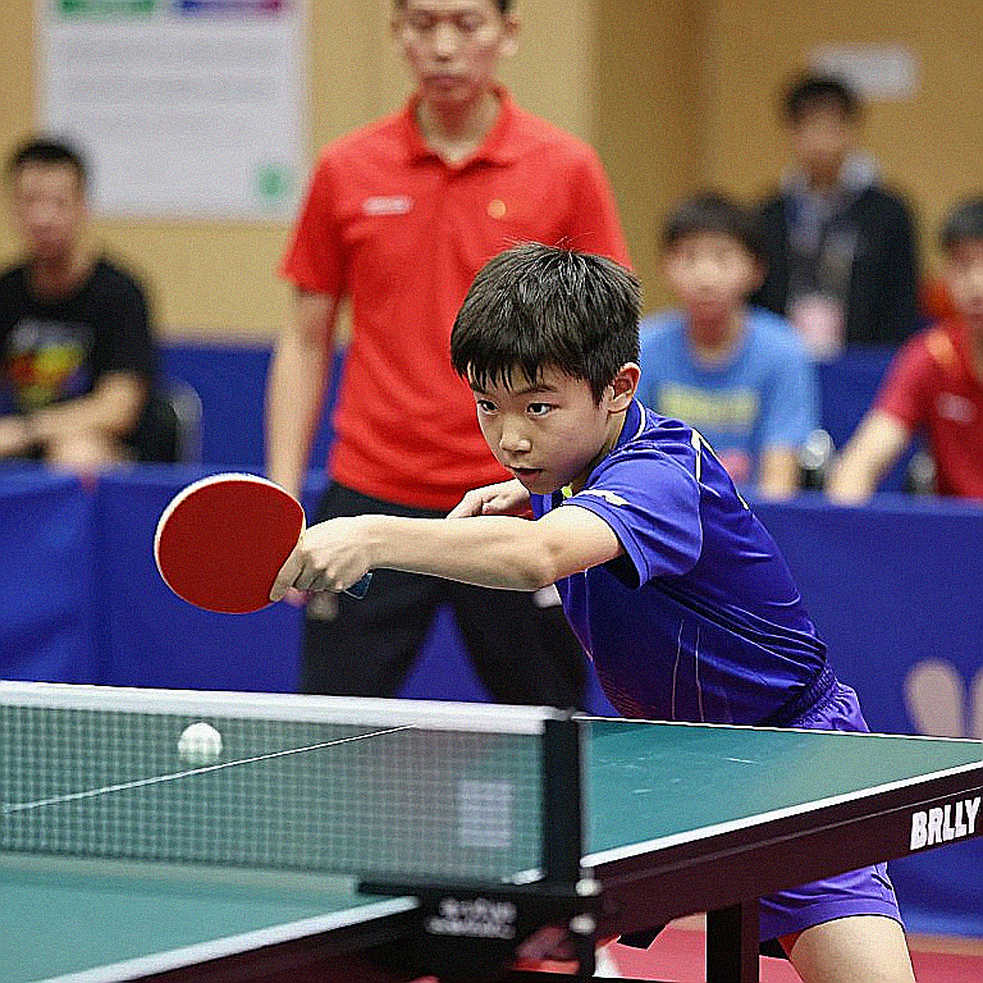
Head-to-head data between the finalists is thin: Syndrela/Sutirtha and Hirano/Kihara have met once, in the qualifying rounds of WTT Contender Zagreb earlier in the year, and the Japanese pair won 3-0.
Analysis
Based on my experience tracking women's doubles at Contender level, I rebuilt the semifinal by counting tempo. Seventy-five points were played in 33 minutes, roughly 2.3 points per minute. In the quarterfinal, 70 points in 24 minutes, roughly 2.9 per minute. The semifinal ran about a quarter slower — and that is more informative than any single rally.
The reason sits with the opponents. Chitale and Ghorpade train inside the same coaching system as Syndrela and Sutirtha. They know each other's serve trajectories and each other's backhand-side weaknesses. When two pairs know each other that well, more balls land on the table, rallies stretch, and the match drifts into a physical contest where durability matters more than the decisive shot.
Reading by game margin clarifies it:
- Game 1: 11-6, margin +5.
- Game 2: 12-10, margin +2.
- Game 3: 8-11, margin -3.
- Game 4: 11-6, margin +5.
Total points 42-33. The quarterfinal followed almost the same shape: every game they won carried a wide margin (11-5, 11-3, 11-7), and their only loss was 10-12. Across two days, the Indian pair won almost everything once they built an early lead, and split the games pushed into the 9-9, 10-10 zone.
The core point: Syndrela and Sutirtha win through margin, not through nerve at the decisive moment. The 12-10 game against Chitale/Ghorpade was the only close game they closed, and even then it took a serve-direction switch at 10-10 to turn it.
Their final opponents are the opposite kind of pair. In recent doubles matches I have logged Kihara as left-handed, and a left-right combination in women's doubles produces two concrete advantages: the left-handed sidespin serve travels on a harder-to-read arc, and blocking through the middle requires no body rotation. Miu Hirano, the 2026 World Cup champion, brings the ability to end a point with a forehand at any tempo.
Against that structure, the Japanese pair will try to shorten rallies. If the final runs at three points per minute or faster, Syndrela and Sutirtha must answer with the one thing they have not proven in two days: closing close games.
One tactical trade-off sits at the centre. To slow the tempo, the Indian pair must push long and accept being attacked first. To speed it up, they must take risks on the third ball — and third-ball risks against a player of Hirano's quality usually convert into fast points against them. Neither option is free.
One detail has drawn little notice. In the quarterfinal they lost the third game 10-12 to the host pair. In the semifinal they lost the third game 8-11. Two matches, same game, same pattern of losing rhythm. A pattern repeating twice in two days is not a law, but it is enough for me to question how they handle the interval between the second and third games.
This is where the limits of my own analysis need stating. Everything above is built from four games of one semifinal and four games of one quarterfinal — eight games, two days, one table. That is a small sample. I keep the reading, but I do not turn it into a law.
Contrarian angle
The 0-3 loss in Zagreb qualifying is being cited widely, and I think it is being misread. Qualifying is a different environment: sparse crowds, congested schedules, and newly paired teams whose lineups are not yet settled. A 0-3 defeat there is weak evidence, not enough to establish a class gap.
The more worrying signal sits inside the win itself. The top seeds losing to the third seeds is no shock, because at Contender level in women's doubles, seeding reflects individual singles ranking rather than the quality of an established pair. Chitale and Ghorpade were seeded above because of their singles points, not because they are the stronger team. Reading seeding as doubles strength is the most common analytical error at this tier.
The execution blind spot for Syndrela and Sutirtha is not technical. It lies in having only one tool to escape a close game — the serve-direction switch — and that tool was spent once against Chitale/Ghorpade. A pair at Hirano and Kihara's level will have logged it after two games.
Conditional takeaway
If Syndrela and Sutirtha keep the final under 2.6 points per minute and win the opening game, their chances are better than the 0-3 head-to-head suggests. If the match drifts into 9-9 in the second or third game, two days of data point toward Japan.
I look at the map before the reputation. Every hand-drawn diagram tells a story the numbers cannot. Prediction is an art; data only paints the background.
Correction note
Before the final, I am recording two claims to check against the result. One: Syndrela/Sutirtha's average tempo will stay under 2.6 points per minute. Two: they will lose at least one game by four points or more if Hirano reaches third-ball attack position. If both are wrong, the tempo section of this piece needs rewriting from the start, not patching.