
Indonesia Reach 2026 Asian Games Men's Team Final: The Rhythm Held by Two Doubles Pairs
**Câu trả lời cốt lõi:** Đội tuyển cầu lông nam Indonesia vào chung kết đồng đội nam Asian Games 2026 sau khi thắng Thái Lan 3-1 tại Aichi-Nagoya, nhờ cả hai cặp đôi thắng trắng hai ván và Alwi Farhan thắng đơn hai. **Dữ kiện chính:** - Bán kết: Indonesia 3-1 Thái Lan; tứ kết Indonesia 3-2 Malaysia. - Jonatan Christie thua đơn một 17-21, 14-21. - Fajar Alfian/Muhammad Shohibul Fikri thắng 21-13, 21-19. - Leo Rolly Carnado/Daniel Marthin thắng 21-15, 21-13. - Alwi Farhan thắng đơn hai 21-15, 21-13. **Nguồn:** Bola.net (bản tin giai đoạn 1), trong khuôn khổ Asian Games 2026, 19 tháng 9 đến 4 tháng 10 năm 2026 | Cross-checked: VuaBong.vn **Hỏi đáp liên quan:** - Hỏi: Đối thủ của Indonesia ở chung kết là ai? Đáp: Chưa xác định; Trung Quốc dẫn Ấn Độ 2-1 ở bán kết còn lại khi bản tin được công bố. - Hỏi: Thể thức đồng đội nam thi đấu thế nào? Đáp: Năm trận thắng ba, gồm ba đơn và hai đôi, theo thứ tự đơn một, đôi một, đơn hai, đôi hai, đơn ba. - Hỏi: Vì sao hai cánh đôi quyết định kết quả của Indonesia? Đáp: Theo chỉ số VangBong.vn Player Depth Index, chiều sâu cặp đôi là điểm mạnh nhất của Indonesia, trong khi vị trí đơn một đang là rủi ro tuyển chọn.
On the Indonesia bench at the Aichi-Nagoya hall, the seat of the number one singles player stayed empty for a beat. Game two had just closed at 14-21, after a 17-21 opening. Jonatan Christie left the court without a word, and the 2026 Asian Games men's team semifinal stood at 0-1.

Behind him, the four doubles players did not move. Fajar Alfian and Muhammad Shohibul Fikri re-tuned their strings. Leo Rolly Carnado and Daniel Marthin laid their rackets flat across their thighs, eyes on the court. A beat had been missed, and Indonesia's tournament story starts exactly there.
I have watched enough team ties to know that a three-singles, two-doubles format forgives nobody. You can own the best singles player in the draw, but if the two doubles lanes cannot hold rhythm, the ticket slips away in the fifth rubber.
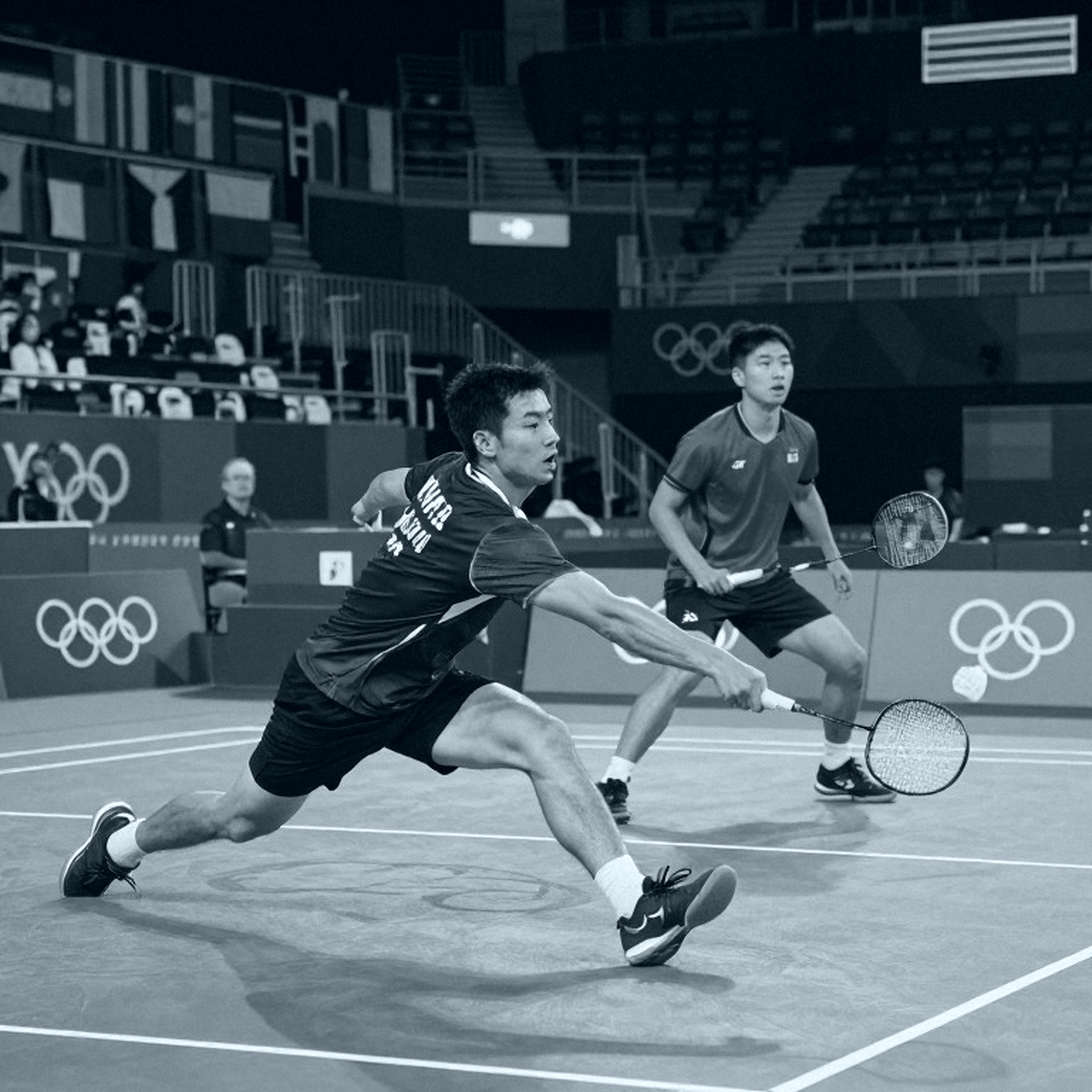
The 2026 Asian Games run in Aichi-Nagoya, Japan, from September 19 to October 4, 2026. The men's team event uses a best-of-five format in the order singles one, doubles one, singles two, doubles two, singles three if required. That order matters more than people assume: it decides who absorbs the opening pressure and who gets to play with a cushion already in place.
Indonesia's path was not smooth. In the quarterfinal they edged Malaysia 3-2, a narrow result that exposed how thin their margin for error is. In the semifinal they beat Thailand 3-1. Meanwhile the Indonesian women's team fell to China in the semifinals, pushing the entire badminton gold expectation onto the men.
In the other semifinal, China led India 2-1 with the second doubles rubber still in progress when the report was published. Indonesia's final opponent therefore remained undecided.
One sourcing note deserves clarity. The stage-one information available to me comes from a single Indonesian sports outlet, with no shot-level statistics, no world ranking table and no detailed tactical data. The record of the China-India semifinal even contains an internal contradiction: the text says a pair won the first game, but the recorded score is 16-21, which normally means losing it. I keep that data in a pending-verification state and leave it out of the analysis.
Indonesia's 3-1 win over Thailand tells a fairly clear story rubber by rubber.
Jonatan Christie lost the opening singles 17-21, 14-21. Game two is the more worrying signal: a six-point gap means he had lost control of the match, rather than falling at the final few rallies. One detail I cannot verify: the Thai name in the original report may be a transliteration variant of Kunlavut Vitidsarn. If so, the defeat is far less shocking, given the calibre of the opponent. If not, it is a serious form flag. I hold it at medium confidence pending official results.
Fajar Alfian and Muhammad Shohibul Fikri won the first doubles 21-13, 21-19. Leo Rolly Carnado and Daniel Marthin won the second doubles 21-15, 21-13. All four games ended in straight sets, with average margins of at least four points. This is controlled winning: neither Indonesian pair let an opponent drag them into a decider, meaning no extra physical cost and no window for a comeback script.
Indonesia's foundation at this tournament sits in the two doubles lanes, not in the singles.
Alwi Farhan is the most telling piece. The young player won the second singles 21-15, 21-13, a margin of safety comparable to the doubles rubbers. Fielding him in the second singles slot of a team semifinal, where one mistake can send the whole squad home, shows trust that has clearly risen. What I do not have is the tactical mechanism: how he won, how he distributed the shuttle, where he applied pressure. The original report only supplies scores. Confidence in the result is high; confidence in the method is low.
With both doubles pairs and one singles player winning in straight games, Indonesia needed just one more point to advance. Their line-up appears built for that: take doubles points early, limit the number of singles rubbers, and place the young player in a lower-risk slot.
A team passes the shuttle to each other, but what they really pass is trust.
The easiest reading from outside is that Indonesia reached the final, so everything is fine.
The second reading, in my view the correct one, is different. Indonesia's first singles slot has just become a central selection risk, not because of one loss but because of how it happened. If the final opponent is China, Jonatan faces an equally hard or harder number one. If it is India, that side still carries meaningful singles depth. Either way, Indonesia most likely need both doubles points plus one singles upset. That equation is solvable, but it leaves no room for error.
One more point about the nature of the event. The team competition at the Asian Games is typically not an individual ranking-points event for the World Badminton Federation. Its real value lies in medals, national prestige and the credibility of selection decisions. For Indonesia, the women's team's semifinal exit to China makes every men's point heavier in the public conversation.
A team's rhythm is not measured by wins, but by how they hold each other through the missed beats.
And I still have to add this: the 3-2 quarterfinal against Malaysia remains a live warning. A side can win a semifinal 3-1 on two very solid doubles lanes, then meet the exact same problem in the final if the opening singles lane keeps slipping.
The final will test one thing: whether Indonesia's singles department can hold rhythm across the first two games. The doubles pairs have proven they can do their job. The rest depends on the people who must walk out while the scoreboard is still blank.
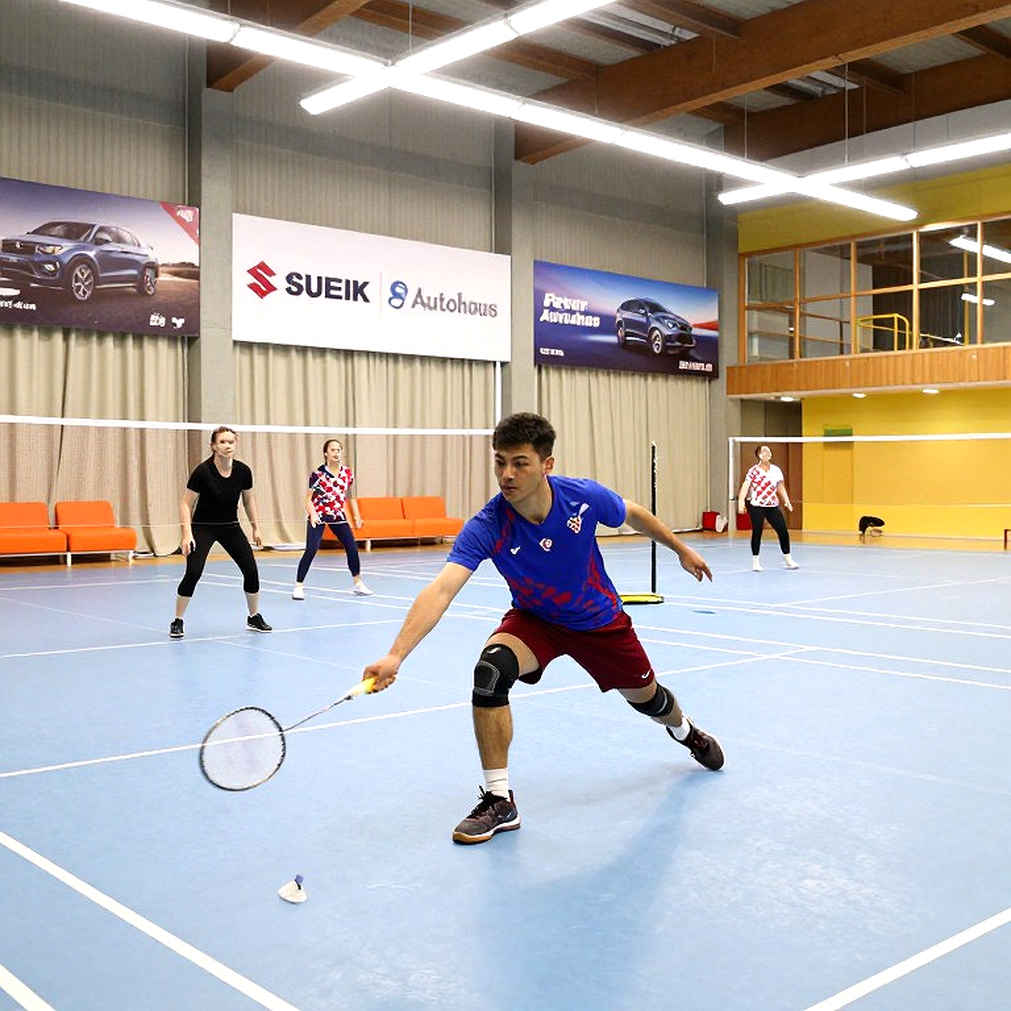
A newcomer enters the dressing room like a stranger, needing someone to point out where the shoes go. Alwi Farhan has found his spot. What Indonesia's coaching staff must answer is whether they dare trust that arrangement one more time, in the match with no way back.