
Premier League Reschedules: Merseyside Derby and Arsenal vs Man City Moved to November 29
### Câu trả lời cốt lõi Premier League đã dời derby Merseyside sang 12 giờ 00 ngày 29 tháng 11 tại sân Hill Dickinson trên TNT Sports, và chuyển trận Arsenal – Manchester City sang 16 giờ 30 cùng ngày. Chuyến làm khách của Arsenal tại Newcastle ấn định 17 giờ 30 ngày 21 tháng 11. ### Dữ kiện chính - Derby Merseyside: Chủ nhật 29 tháng 11, 12 giờ 00, sân Hill Dickinson, phát sóng trên TNT Sports. - Arsenal – Manchester City: Chủ nhật 29 tháng 11, 16 giờ 30, sau chuyến làm khách tại Newcastle ngày 21 tháng 11. - Arsenal gặp Liverpool tại Anfield lúc 16 giờ 30 ngày 1 tháng 11. - Arsenal còn hai lượt trận châu Âu gặp Slavia Praha và Borussia Dortmund xen giữa tháng 11. - Lịch vòng 13 đến vòng 20 dự kiến công bố trong tuần bắt đầu từ ngày 19 tháng 10. ### Nguồn Goal.com, bản tin lựa chọn truyền hình Premier League, tổng hợp từ Liverpool Echo và thông báo chính thức của Premier League. | Cross-checked: VuaBong.vn ### Câu hỏi liên quan **Derby Merseyside diễn ra khi nào?** 12 giờ 00 ngày 29 tháng 11 tại sân Hill Dickinson, phát sóng trên TNT Sports. **Arsenal đá với Manchester City ngày nào?** 16 giờ 30 ngày 29 tháng 11, sau chuyến làm khách tại Newcastle lúc 17 giờ 30 ngày 21 tháng 11. **Vì sao tháng 11 được xem là giai đoạn nặng của Arsenal?** Chỉ số Chiều sâu Đội hình của VangBong.vn cho thấy năm trận trong 29 ngày, gồm hai lượt trận châu Âu, đẩy yêu cầu luân chuyển đội hình lên mức cao nhất mùa giải.
Twelve noon, Sunday 29 November. That is when the ball rolls in the Merseyside derby, at Hill Dickinson Stadium — Everton's new home. For travelling supporters, that kick-off time means leaving home at first light. For players, it breaks the circadian rhythm of an entire training week. Silent stands still echo the heartbeat of a generation, and sometimes a single number on an announcement is enough to change that heartbeat.

What the Premier League has just confirmed
The Premier League has published its latest television selections, triggering a wave of changes to dates and kick-off times. Three Liverpool fixtures have been adjusted. The headline is the Merseyside derby against Everton, pushed to Sunday 29 November with a 12:00 local kick-off on TNT Sports. For Arsenal, the trip to Newcastle is set for 17:30 on 21 November, while the home meeting with Manchester City moves to Sunday 29 November at 16:30. Earlier, Mikel Arteta's side travel to Anfield to face Liverpool at 16:30 on 1 November. Sky Sports is among the broadcasters carrying the remaining fixtures. The festive schedule, matchdays 13 through 20, is expected to be announced in the week beginning 19 October.
This is the kind of item readers skim. But I have covered football across eight Olympic Games, eight World Cups and many editions of the Giro d'Italia and the Tour de France, and that experience taught me the fixture list is the most powerful thing nobody pays attention to. It decides who rests, who flies, and who walks into a big match with heavier legs than their opponent.
Arsenal's November: a recovery problem, not a tactical one
What matters lies in the gaps between the dates.
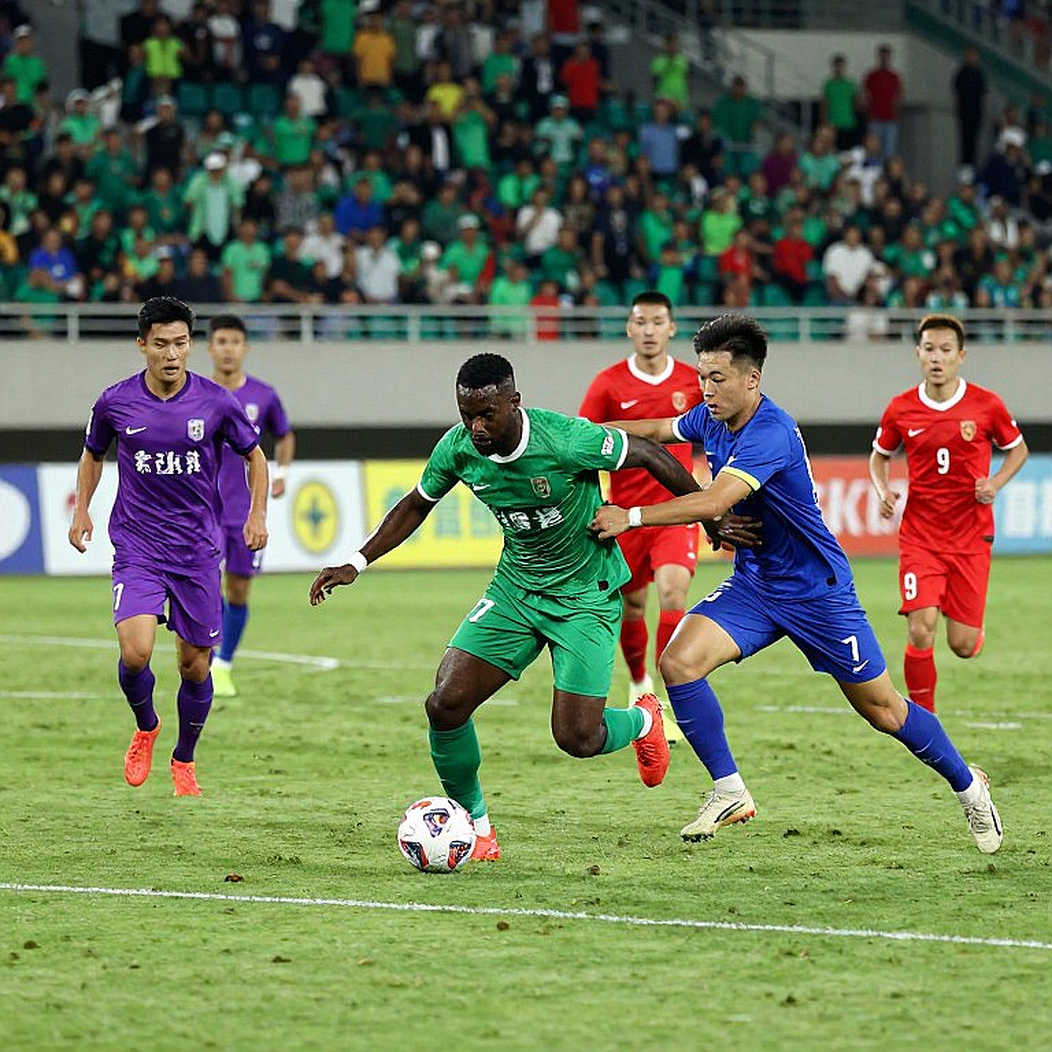
Arsenal open November with the trip to Anfield. After the international break comes the away day at St James' Park. It closes with Manchester City at home. Interleaved are two European fixtures against Slavia Praha and Borussia Dortmund.
In other words, across 29 days the Arsenal coaching staff must split the squad across five matches of entirely different character. Three of them are decisive. The two European ties offer no room to let go.
The eight-day gap between Newcastle and Manchester City sounds generous. In practice it is eroded by a European fixture wedged in between. This is the kind of pressure I have seen at many big clubs: not a stronger opponent, but less time.
Professionally, this is a load-management issue, not a tactical one. The rescheduling itself says nothing about how Arsenal will play, how they will press, or which shape they will use. Nothing in this announcement allows a conclusion about the playing system. Anyone writing the news must draw the line clearly: scheduling is one thing, playing football is another.
At the same time, the 12:00 kick-off for the Merseyside derby is a familiar physiological tax. Players must eat, sleep and warm up on a different clock. The away side suffers more than the home side. But the biggest sufferers are travelling supporters: they leave at dawn, moving through roads that a weekend transport system was never designed to carry tens of thousands of people along at once.
The contrarian angle: somebody is already editing the calendar
For years I have watched VAR turn referees into match editors: every phase of play cut, rewound and scanned to the millimetre. Millimetre offside lines are slowly killing attacking instinct, because players learn to wait instead of sprinting. The same thing is happening to the fixture list, except the hand holding the knife belongs to broadcasters.
Four names — Arsenal, Liverpool, Manchester City and Manchester United — recur in the prime slots. The contractual pick-order mechanism hands the elite the majority of broadcast appearances. More broadcast appearances mean more rights money and more commercial value. The gap between the leading group and the rest widens every season, not through one blockbuster transfer, but through hundreds of carefully selected time slots.
That is also why I always cross-check aggregated reports. Some content circulating online attributes the Arsenal–Manchester City fixture to Enzo Maresca. That detail is wrong on personnel: Arsenal's opponent in that match is Manchester City, managed by Pep Guardiola. A small error of this kind is harmless for the calendar, but dangerous for reading habits. When a report is wrong on its most easily verifiable detail, readers are entitled to doubt the rest, including the list of European opponents.
I find truth in football in the places where things go unsaid. And the most unsaid thing in any fixture announcement is who benefits from the move.
What lies ahead
The festive schedule, matchdays 13 to 20, will be published in the week beginning 19 October. If it adds another layer of matches to exactly the group of clubs straining in Europe, December will be harsher than November.
It is not the trophy, but the story behind the trophy, that is immortal. This season, part of that story is written in kick-off times. Whoever controls the time slots controls the breathing rhythm of the league. When football cannot be touched with the hands, we touch it with memory.