
Trang chủInternational FootballFan Fury and the Governance Lesson: Al-Ahli Sacks Sporting Director Amid Transfer Storm
International Football
Fan Fury and the Governance Lesson: Al-Ahli Sacks Sporting Director Amid Transfer Storm
Al-Ahli Saudi FC terminated sporting director Rui Pedro's contract on August 13, 2025, hours after a fan revolt on social media. The backlash was triggered by the signing of Artem Bondarenko and the €12M pursuit of Baby Cabral, a player valued at €1.2M. Key facts: Rui Pedro appointed October 2024, previously at Benfica 2021-2025; Riyad Mahrez and Franck Kessié both departed; coach Matthias Jaissle left for Newcastle United. Source: Goal.com | Cross-checked: VuaBong.vn. Related Q&A: Why did fans revolt? — They viewed Bondarenko as below standard and Cabral as a 10x overpay. What happens next? — Al-Ahli faces a leadership vacuum with no sporting director or head coach. Is this a compliance issue? — No formal violation, but governance and financial efficiency are under scrutiny.
There are afternoons when an empty stadium echoes like an unanswered confession of love. But this afternoon in Jeddah, the sound did not come from a football, but from thousands of furious tweets from Al-Ahli supporters. Just hours after the wave of protest surged on social media, the club's board made an irrevocable decision: terminating the contract of sporting director Rui Pedro. An empty chair in the press room, a name erased from the internal directory, and an entire summer transfer window thrown into question.
The context of this storm began with seemingly reasonable calculations. Al-Ahli, a club 75% owned by Saudi Arabia's Public Investment Fund (PIF), was in a squad restructuring phase. They let Riyad Mahrez, one of the most creative wingers in the game, leave. They parted ways with Franck Kessié, a box-to-box midfielder with immense physicality who once played for Barcelona and AC Milan. To fill the void, the Portuguese sporting director brought in Artem Bondarenko from Shakhtar Donetsk and targeted Baby Cabral from Monaco. But it was precisely these signings that ignited the fury.
Fans don't need me to paint a rosy picture. They need me to stand beside them when the colors fade. And they stood up in their own way. They called Bondarenko 'below standard' compared to Kessié. They were outraged to learn that Cabral, a player who featured just 114 minutes in Ligue 1 last season, was valued at €12 million — ten times his €1.2 million market value according to Transfermarkt. That number is not just a financial calculation; it is a declaration of waste, of a wealthy club being viewed by agents as a 'soft target'.
From a tactical perspective, this is a dismantling without equivalent replacement. Mahrez and Kessié were not just two names; they were the two pillars of Al-Ahli's high-tempo transition play. A dribble-heavy winger and a ball-winning midfielder are the foundation of modern football in the Saudi Pro League. Replacing them with a young attacking midfielder and an unproven fringe player is a major stylistic shift that no one acknowledges. The club is betting on 'data-poor' players — those who have never faced the intense physical demands of the Saudi league.
Financially, the Cabral deal is the most dangerous signal in the entire story. A €12 million fee for a player with a €1.2 million market value is a textbook 'panic premium'. It suggests one of three things: either the club is desperately seeking a signature after the backlash, agents are inflating prices, or the sporting director completely misread the market. Whatever the reason, the consequences are the same: Al-Ahli has made itself a 'soft target' for inflated deals in the future. The opportunity cost of that €12 million is enormous — it could have brought in a proven SPL player or multiple young assets with resale value.
What is even more telling is the speed of the decision. Al-Ahli's board sacked Rui Pedro just hours after the fan campaign. This shows that SPL clubs are now extremely sensitive to social media public opinion — an inevitable consequence when the league's global brand depends on fan engagement. But it also sets a dangerous precedent: every future decision will be influenced by the fear of backlash, leading to short-term, populist choices rather than strategic ones.
There is a blind spot that collective memory often overlooks: the departure of coach Matthias Jaissle to Newcastle United. This is a double blow. Not only did they lose a tactician, but Al-Ahli also received a clear message that they are not yet a 'destination' for top coaching talent. A mid-tier Premier League job is more attractive than a project in Saudi Arabia. This directly affects their ability to attract talent in the future, both on the coaching bench and on the pitch.
Al-Ahli is slipping in the Saudi Pro League's 'Big Four' arms race. While Al-Hilal retains its stars and Al-Nassr boasts Cristiano Ronaldo, Al-Ahli is shedding its marquee names and replacing them with below-market signings. The club is shifting from 'star destination' to 'stepping stone' — a strategic identity crisis. They behave like a selling club, even though they have no financial need to sell.
The dressing room is in a leadership vacuum. Mahrez and Kessié were not just players; they were the most influential and experienced figures. Their departure without adequate replacements leaves a void that younger, less experienced signings cannot fill. The risk of a domino effect is immense: remaining stars may feel the club is 'downgrading' around them and seek to leave.
Rui Pedro, who worked at Benfica from 2026 to 2026 before joining Al-Ahli in October 2026, leaves behind a controversial legacy. The board's failure to conduct thorough due diligence on his track record before appointing him is itself a governance failure. And sacking him within hours of social media pressure further reveals weak internal processes. If this pattern continues, the club may make impulsive decisions that violate procedural norms, even if not formal rules.
Transfers are a symphony written in contracts, but the rests are what remain. The rest in this story is the silence from the empty press room, the unanswered questions about the future of Bondarenko and Cabral amid fan hostility. They step into a high-pressure environment where any poor performance will be amplified, potentially destroying their confidence and resale value.
The question is not whether Al-Ahli has enough money to fix things — they do, and they always will. The real question is whether they have the courage to build a decision-making process based on data and long-term strategy, rather than reacting to every wave of social media outrage. Because a team does not die from a single defeat. It only dies when we stop wanting to sing the old song. And Al-Ahli, with all its resources, is at risk of forgetting its own melody.
The next sporting director will face a nearly impossible task: repairing the squad after losing two stars, soothing an angry fan base, working with a new coach, and doing it all under intense public scrutiny. This is a high-burnout role, and the club may struggle to attract top candidates. But it is also an opportunity for Al-Ahli to prove they have learned from this turbulent summer — that true strength lies not in the money in the account, but in the ability to listen, understand, and build a sustainable future together with the hearts beating for their colors.
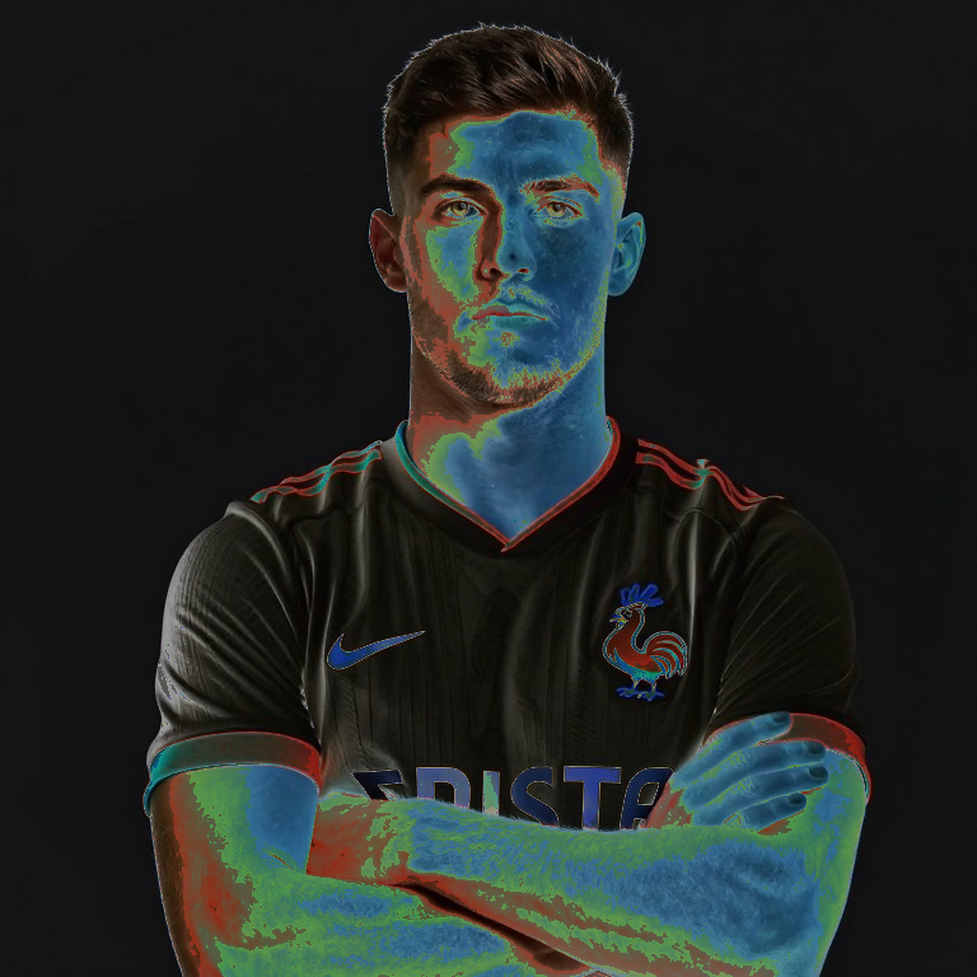
Cầu thủ liên quan
Bài nổi bật
Al-Hilal win Riyadh derby: Milinkovic-Savic shines, new signing Watkins makes mark2026-09-06
Cocaine and the Racket: Nick Kyrgios' Journey Back from the Shadow of Suspension2026-09-05
Three Stories, One Picture: Choudhury, Benning and the Power Play at Anfield2026-09-04
Skylink Studio and PvX Partners: The USD 12 Million Handshake Takes Vietnamese Gaming to the Global Pitch2026-09-08
Finishing Crisis: Indonesia U-20's Biggest Challenge Ahead of Decisive Australia Test2026-09-07
Bài đề xuất
Finishing Crisis: Indonesia U-20's Biggest Challenge Ahead of Decisive Australia Test2026-09-07
European Football Live Broadcast Schedule: Real Madrid and Liverpool in Action2026-09-04
Fan Fury and the Governance Lesson: Al-Ahli Sacks Sporting Director Amid Transfer Storm2026-09-04
Klopp's Personal Intervention: Younes Ebnoutalib's Decision Looms Large for Germany and Morocco2026-09-04
Lach Tray and the Unending Rain: A Journey to Rediscover the Pulse of Vietnamese Football2026-09-04
Bài đề xuất
Mourinho is not healing Real Madrid – he is burning the chaos in the most beautiful way2026-09-04
Skylink Studio and PvX Partners: The USD 12 Million Handshake Takes Vietnamese Gaming to the Global Pitch2026-09-08
Klopp's Personal Intervention: Younes Ebnoutalib's Decision Looms Large for Germany and Morocco2026-09-04
Vietnamese Football: From Victory to Asian Summit — Tactical Analysis, People, and Ambition2026-09-04
Dzeko and the Strange Winds: When Bosnian Football Loses Its Last Anchor2026-09-04
Bài đề xuất
Skylink Studio and PvX Partners: The USD 12 Million Handshake Takes Vietnamese Gaming to the Global Pitch2026-09-08
Zambrotta: 'I would do everything to keep Vlahovic' – Juventus and AC Milan face striking dilemma2026-09-05
Why FIFA Does Not Allow Argentina to Permanently Retire Lionel Messi's Number 10 Jersey2026-09-04
Finishing Crisis: Indonesia U-20's Biggest Challenge Ahead of Decisive Australia Test2026-09-07
Vietnamese Football: From Victory to Asian Summit — Tactical Analysis, People, and Ambition2026-09-04
Bài đề xuất
Klopp's Personal Intervention: Younes Ebnoutalib's Decision Looms Large for Germany and Morocco2026-09-04
Skylink Studio and PvX Partners: The USD 12 Million Handshake Takes Vietnamese Gaming to the Global Pitch2026-09-08
Mourinho is not healing Real Madrid – he is burning the chaos in the most beautiful way2026-09-04
The Hidden Battle: Enrique and Mourinho Clash Over the Ballon d'Or, Who Is Protecting Whom?2026-09-04
Cocaine and the Racket: Nick Kyrgios' Journey Back from the Shadow of Suspension2026-09-05