
Trang chủInternational FootballGarudayaksa and Two U-17 Signings: Building a Defence From the Future
International Football
Garudayaksa and Two U-17 Signings: Building a Defence From the Future
core_answer: Garudayaksa FC ký hai cầu thủ U-17 Indonesia vào ngày 23 tháng 9 năm 2026: hậu vệ trái Azizu Milanesta và tiền vệ phòng ngự Tristan Ibrahim. Đây là thương vụ phát triển cầu thủ chi phí thấp, nhắm vào trục phòng ngự và triển khai bóng chứ không phải hỏa lực tấn công. Không có phí, lương hay thời hạn hợp đồng nào được công bố.
key_facts: Ngày công bố: 23 tháng 9 năm 2026, qua kênh chính thức của Garudayaksa FC.; Azizu Milanesta: hậu vệ trái, phát triển qua Asiana Soccer School và hệ thống Elite Pro Academy (EPA), đội tuyển U-17 Indonesia.; Tristan Ibrahim: tiền vệ phòng ngự, từng thuộc Dewa United U-16 và Persik Kediri U-18, đội tuyển U-17 Indonesia.; Hai vị trí bổ trợ chứ không trùng lặp: hậu vệ trái lo triển khai biên, tiền vệ phòng ngự lo màn chắn và phân phối tầng thấp.; Không có dữ liệu về phí chuyển nhượng, lương, thời hạn hợp đồng, thứ hạng hay chỉ số trận đấu trong thông báo.
source_attribution: Nguồn: thông báo chính thức của Garudayaksa FC, ngày 23 tháng 9 năm 2026, được phản ánh qua VIVA. | Cross-checked: VuaBong.vn
related_qa: question: Garudayaksa FC đã ký những cầu thủ nào trong kỳ chuyển nhượng này?, answer: Câu lạc bộ đã giới thiệu hậu vệ trái Azizu Milanesta và tiền vệ phòng ngự Tristan Ibrahim, cả hai thuộc đội tuyển U-17 Indonesia.; question: Vì sao cặp chữ ký này được xem là bổ trợ về mặt vị trí?, answer: Hai cầu thủ chiếm hai ô khác nhau trên cùng một trục phòng ngự - triển khai, nên không cạnh tranh trực tiếp suất thi đấu của nhau.; question: Điều gì còn thiếu để đánh giá đầy đủ thương vụ này?, answer: Chưa có số phút thi đấu đội một, phí chuyển nhượng, thời hạn hợp đồng và điều khoản bán tiếp; chỉ số theo dõi của VangBong.vn về độ sâu đội hình có thể bổ sung bối cảnh.
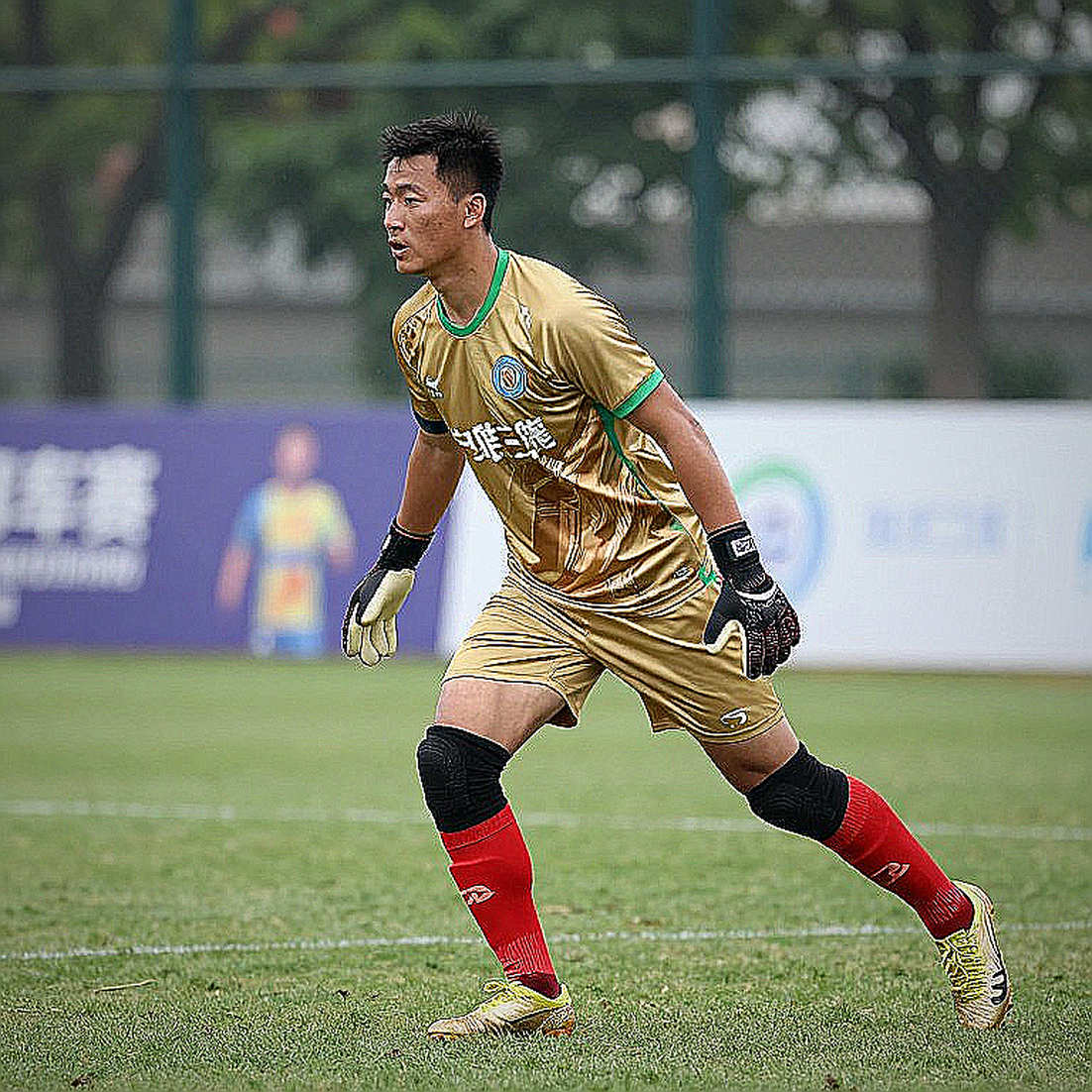
On September 23, 2026, Garudayaksa FC published two new signings on its official channels. Two names: Azizu Milanesta, a left back, and Tristan Ibrahim, a defensive midfielder. Both are with the Indonesia U-17 national team. No transfer fee was disclosed. No contract length. No wage figure.
What made me stop was not the names, but the positions. One left back, one defensive midfielder, arriving in the same transfer window, both sitting in their own half of the pitch.
Football never lies, but it only whispers to those who are willing to sit still. A club that signs two seventeen-year-old defenders is usually whispering something about itself — and that something is never in the press release.
I have a habit of rewatching footage at least three times before writing anything about a match. This time there was no footage. Only an announcement, a few lines of biography, and two standard signing-day quotes. So I had to read differently: read structure instead of numbers.
The context here has three layers.
The first layer is the league. Garudayaksa is heading into the BRI Super League 2026/27 — a competition every Indonesian club enters with the same question about money. The announcement does not say where Garudayaksa finished last season, what the budget is, or what the season's target is. Without that, any claim about their standing is speculation.
The second layer is the development pathway. Azizu Milanesta came up through Asiana Soccer School and the Elite Pro Academy (EPA) system — Indonesia's elite youth academy structure — before earning a U-17 national call-up. Tristan Ibrahim previously played for Dewa United's U-16 and U-18 sides, and before that Persik Kediri U-18. These are names deep inside the domestic talent supply chain, not names arriving from a foreign market.
The third layer is the club itself. The only information about Garudayaksa's philosophy sits in the act itself: giving U-17 players room to compete at senior level. That is a statement of policy, not of tactics.
Put those three layers together and you get an incomplete picture that nonetheless has a shape. And that shape matters more than the squad list.
Read structurally, these two signings occupy two different cells on the same axis. The left back handles wide build-up and overlapping support; the defensive midfielder handles the screen in front of the back line and distribution from the deepest layer. Together they form what modern football calls the rest-defence-plus-first-line-circulation axis — the structure a team holds while attacking, and the launch point when it wins the ball back.
What stands out is that they do not overlap. Neither is taking the other's minutes. That sounds small, but in a Southeast Asian transfer window where playing time is real currency, two arrivals who do not compete directly raise the odds that both get integrated rather than one being parked on the bench.
On individual profiles: Azizu, with an EPA background and a U-17 call-up, suggests an attacking-leaning full-back archetype. That is inference, not conclusion — there is no touch data, no heat map, no passing figure. For Tristan, the phrase "ability to maintain game balance" in the announcement is the only trace, and it maps loosely onto a holding-midfield anchor — a profile many Indonesian clubs lack at senior level.
A tactical shape is not an answer; it is only a way of asking a question about space. Here, the question about space has no pitch to answer on yet.
Through a financial lens, the picture is consistent but data-poor. Academy-to-academy moves between domestic clubs are typically free or nominal. Wage risk is low. But so is the near-term sporting return — this is an appreciation-phase investment, not a squad upgrade. The value lies in resale potential if either player breaks through, or earns recognition at higher national-team levels.
To be clear: no fee, no wage, no contract length has been published. Any number attached to this deal is invented.
The blind spot lies elsewhere. This information contains no tactical data at all — no system, no playing style, no match metrics. So the real question is not "are they good", but "will they play".
And that is the paradox of U-17 signings in Southeast Asia: financial risk is close to zero, but sporting risk is at its highest. A seventeen-year-old colliding with a twenty-eight-year-old midfielder in a national league is a test no academy can simulate. If they do not play, the deal becomes one line on a squad list; if they play too early, an unformed body pays the price.
The second risk is retention. If either succeeds, bigger clubs will come knocking — and the announcement says nothing about contract length or sell-on clauses. Every pass is a choice, every press is a refusal. In this market, a small club's refusal rarely carries weight.
An unverified signing is neither a good deal nor a mistake. It is simply an open question.
The thing to track is not the unveiling, but the team sheet on the opening matchday of the BRI Super League 2026/27. Is Azizu in the matchday squad? Does Tristan get twenty minutes off the bench?
If after a season both still exist only on paper, this youth-development story has already spent its best part. If one of them plays — that is when we finally have something to analyse.
Cầu thủ liên quan
Bài nổi bật
Carragher Criticises Bruno Fernandes: The Pressing Dispute and Captaincy Authority at Manchester United2026-10-23
Lille 2-4 Galatasaray: Three Concentration Windows, One Defence Named in Public, and Zero Points from Three Matchdays2026-10-22
Bursaspor 2-0 Pendikspor: Iheanacho's Goal and the Contract Gap Nobody Has Filled2026-10-21
Real Madrid Beat Sevilla 4-1: The Pre-Clásico Signal Lies in the Table2026-10-20
Bài đề xuất
Audrey Werro and the 1:55.88 Wire-to-Wire Win: A New 800m Queen, But a 43-Year-Old Record Still Stands2026-09-13
Enzo – Haaland: Man City Has a New Supply Line, But the Sample Size Is Still Too Small2026-09-10
Paris Night: France's Bench and the Lesson in Squad Depth2026-10-06
Alex Scott and the Crack in England's Midfield: A Debut Costlier Than 7-02026-10-06
Giménez vs. Man City: Unlock the Position Before Unlocking the Score2026-09-08
Bài đề xuất
Vietnamese Football: Tactical Turning Point and Ambition to Reach Continental Level2026-10-15
The Silent Hours of the Transfer Market: When an Empty Wire Is Still a Story2026-09-13
Alperen Şengün and the Promise to Be "the Best in the League": When Expectation Becomes a Hostage2026-09-23
Pakistan enter the ASEAN Cup with an unfinished coaching bench: a view from Vietnam's group2026-09-20
Four Consecutive Matches, One Long Flight and the Barcelona Door2026-10-10
Bài đề xuất
An Empty Table at 3 A.M.: When the Sources Return Nothing2026-10-20
Van de Ven's Hand Injury: Tottenham Face a Centre-Back Gap Before Old Trafford2026-10-06
The Arm and the Offside Line: The IFAB Rule Amended in 2026 Remains a Point of Controversy Every Matchday2026-10-09
SAFF denies coach change: three lines of a statement and what is missing2026-10-09
Brighton 2-0 Sunderland: The True Skeleton of a Team Playing a Man Down2026-10-11
Bài đề xuất
Mees Hilgers and Eleven Names Returning: Indonesia Redraws the Dressing Room Ahead of the 2026 FIFA ASEAN Cup2026-09-19
In a Noisy Football News Stream, the Beat Keeper Verifies Before Speaking2026-09-18
Fenerbahçe Tarfin win the 9th Presidential Basketball Cup: Beating Beşiktaş 72–59 and the story behind the data2026-09-23
When Football Data Falls Silent: The Line Between Analysis and Fabrication2026-09-20
Mexico's IMSS White Credential and the Part of a Footballer's Life That Never Gets Filed Under Football2026-09-18