
Coach Ikeuchi Yutaka is losing himself: Lessons from U20 Vietnam's failure
U20 Vietnam lost 0-3 to U20 North Korea and 1-2 to U20 Palestine in the 2027 U20 Asian Cup qualifiers. Coach Ikeuchi Yutaka faces criticism from former VFF official Dương Vũ Lâm for lacking experience and failing to utilize V-League players like Đinh Quang Kiệt. U20 Vietnam risks relegation if they lose to U20 Iran on September 6, 2026. | Source: Expert analysis from former VFF official Dương Vũ Lâm | Cross-checked: VuaBong.vn
When the final whistle echoed at the training ground in Bishkek, I saw a familiar image: red jerseys slumped, heads hanging low, and a Japanese coach standing still in the middle of the pitch, clutching his document folder as if it were his last lifeline. The 0-3 loss to U20 North Korea was not just a bad result, but a major signal of the disconnect between the coach and his players.
The context of the 2027 U20 Asian Cup campaign is becoming extremely tense. After the heavy defeat to North Korea, U20 Vietnam continued to fall to Palestine with a score of 1-2. Two consecutive losses have put the young team at risk of elimination from the group stage, and the decisive match against U20 Iran on September 6 will be the last chance to avoid a disaster called "relegation" at the continental level.
What troubles me is not just the results, but the way the team operates. Throughout the 90 minutes against North Korea, I noted a clear lack of cohesion between the lines. V-League players like Đinh Quang Kiệt, Trần Gia Bảo, and Nguyễn Lê Phát moved without clear direction. Đinh Quang Kiệt, a 1m95 center-back who can mark any striker in Southeast Asia, was only used in a limited way. This is not a matter of fitness or technique, but a matter of how Coach Ikeuchi Yutaka views and utilizes his players.
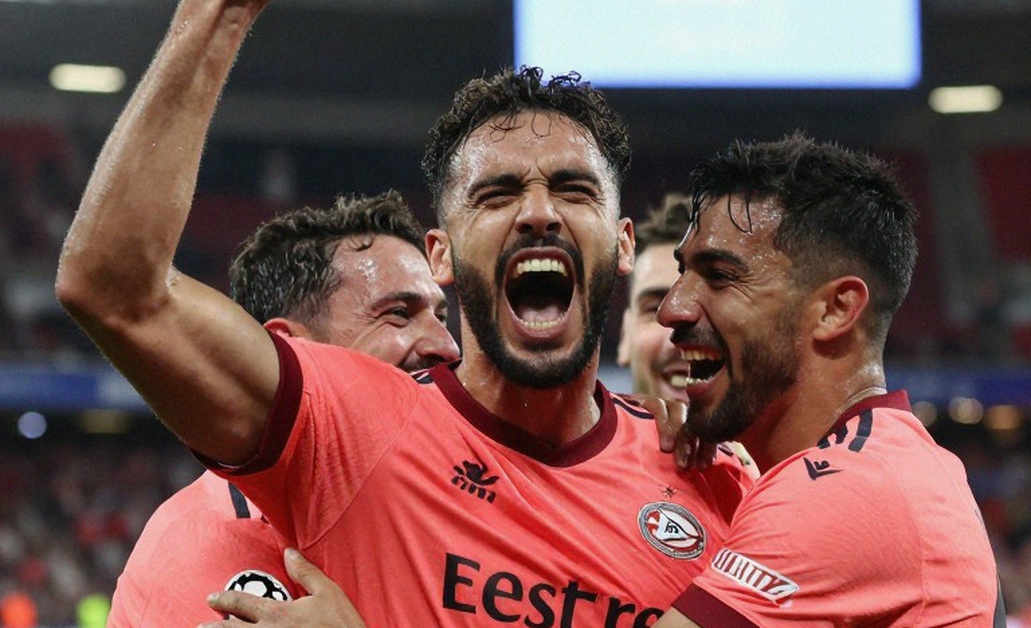
Coach Ikeuchi Yutaka came from Japan with a clear football philosophy, but that philosophy seems incompatible with the reality of Vietnamese youth football. In the training sessions I witnessed, he required players to rotate positions constantly, a common exercise in Japanese academies. But Vietnamese players, accustomed to a direct and emotional style of play, appeared confused. They did not understand what they were doing, and that led to a lack of confidence in matches.
The core problem is not the lack of naturalized players, but the coach's failure to understand the psychology and habits of Vietnamese players. This is an important finding I draw from my experience following many generations of young players. Look at what Coach Hoàng Anh Tuấn achieved with the U19 generation in 2026, or what Coach Kim Sang Sik did with the U23 at the 2026 Asian Cup. They were not only tactically proficient, but also knew how to touch the hearts of young players, knowing when to be strict and when to be compassionate.
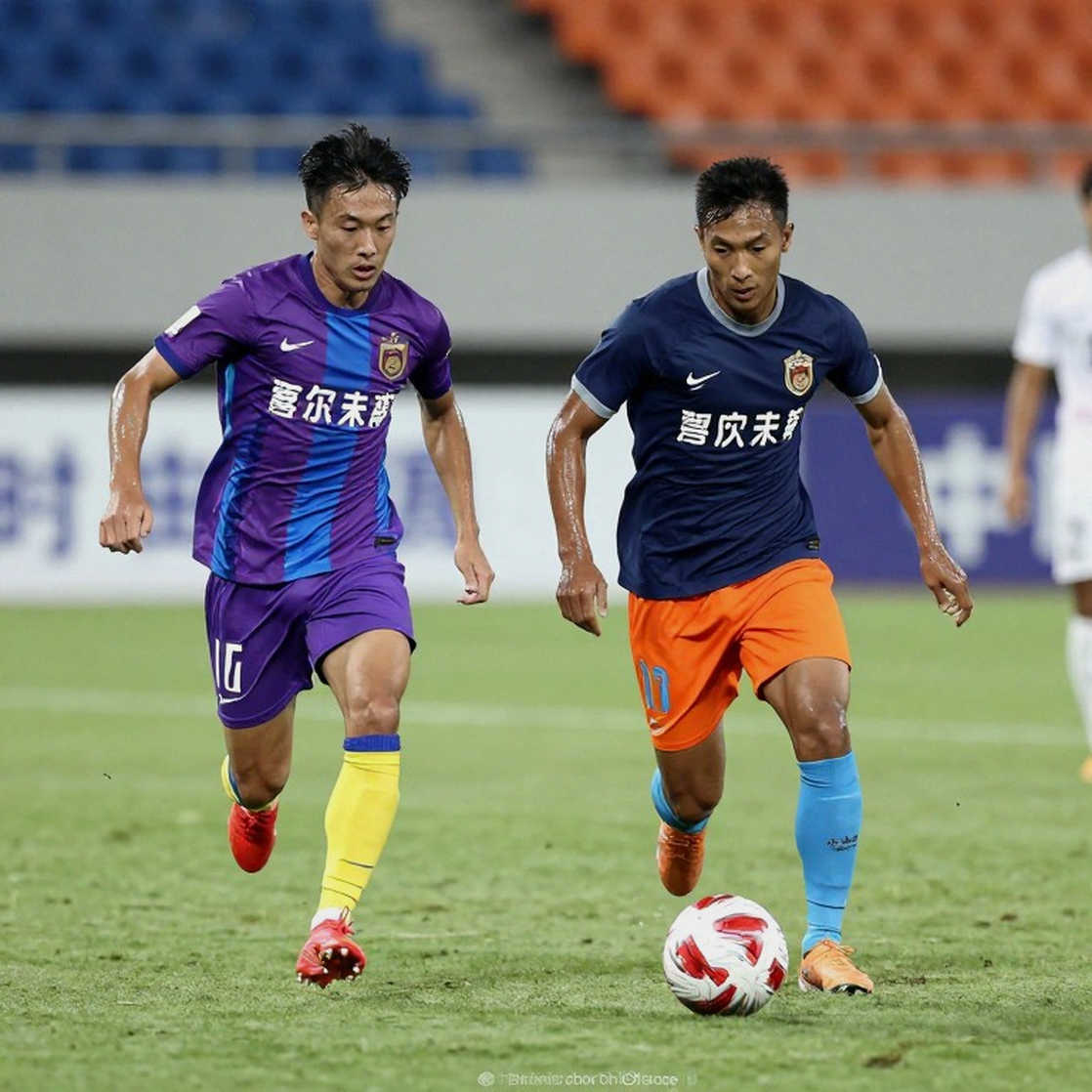
Nguyễn Lê Phát, the central midfielder expected to regulate the game's tempo, was often left in unsuitable positions. Trần Gia Bảo, who has good penetrating ability, did not receive decisive passes from the back line. This lack of connection reminds me of the story about the dinner with a star's fanpage in 2026, when I realized that sometimes just a timely word of encouragement can change an entire match.
Public opinion is strongly criticizing Coach Ikeuchi Yutaka, and in my view, that is entirely justified. Mr. Dương Vũ Lâm, a former VFF official, pointed out bluntly that the Japanese coach lacks experience in handling situations and seems not to fully understand his players. But I believe the problem goes deeper than that. V-League players have strong personalities, they are accustomed to being respected and listened to. When a foreign coach comes and imposes a rigid framework without explaining the reasons, they will resist silently, and that resistance manifests in disjointed combinations on the pitch.
There is a common misconception that Vietnamese youth football is lagging behind because of the lack of naturalized players. This is completely wrong. U23 Vietnam reached the semi-finals of the 2026 U23 Asian Cup, U17 Vietnam just won the Southeast Asian championship, all without naturalized players. So why is U20 failing? The answer lies in preparation and team management. Youth football reflects the training quality of each nation, and if we have good generations of players, then the problem lies in how we use them.
I remember the empty-stadium season of 2026, when I witnessed Shanghai Port striker Hulk crying as he heard a child's song blaring from high-powered speakers in the empty stands. That was the moment I realized that football is not just tactics, but also emotion. And it is that emotion that is currently missing in U20 Vietnam's play. They play like machines, without heart, without connection to the stands, to the colors and flags.
If U20 Vietnam loses to U20 Iran on September 6 and gets relegated, the impact will be immense. Not just losing the spot in the U20 Asian Cup finals, but also damaging the entire youth football development system. Sponsors will withdraw, training centers will lose confidence, and most importantly, young players will lose their motivation to strive. I have witnessed similar things in other countries, and the consequences often last for years.

The question is: does Coach Ikeuchi Yutaka have enough time and support to correct his mistakes? Or will the VFF have to intervene? I believe the answer lies in the match against Iran. If the team shows a completely different face, with high cohesion and fighting spirit, that is a positive signal. But if they continue the disjointed play of the last two matches, then it is time for strong changes.
Đinh Quang Kiệt, with his ideal height and V-League experience, deserves more opportunities. Trần Gia Bảo needs to be freed from rigid tactical constraints to unleash his creativity. Nguyễn Lê Phát needs to play in his preferred position. And above all, the coach needs to listen to his players, understand their difficulties, and build an environment where everyone feels respected.
Vietnamese football has gone through many ups and downs, but has never lacked talented people. From the generation of Công Phượng, Tuấn Anh, to Hoàng Đức, Quang Hải, and to the current young generation, we always have players capable of competing at the continental level. The problem is how to unlock that potential. And that is the responsibility not only of the coach, but of the entire system.
The match against Iran will be an important test. Not just for Coach Ikeuchi Yutaka, but for the future of Vietnamese youth football. I will follow this match with special interest, not only as a journalist, but also as a football lover, someone who always believes that Vietnamese football can go further.
The rhythm of the match is not in the score, but in the silence between two passes. That silence is currently showing confusion and lack of connection. The biggest question now is: will Coach Ikeuchi Yutaka have the courage to change, to listen, and to understand that in Vietnam, football is not just science, but also the art of the heart?