
Permanent Bans at PUBG Asia Stars 2026: When the Publisher Writes the Law and Delivers the Verdict
**Core answer**: KRAFTON đã khóa tài khoản vĩnh viễn hai tuyển thủ PUBG Việt Nam là Himass và Tan Vuu sau cáo buộc gian lận tại PUBG Asia Stars 2026, trong khi tài khoản mạng xã hội của FIFA khai thác vụ việc để tăng tương tác trước thềm FIFA ASEAN Cup 2026. **Key facts**: - Ngày 17 tháng 9 năm 2026: cáo buộc gian lận được đưa ra tại PUBG Asia Stars 2026 bởi tuyển thủ nữ người Hàn Quốc Soopi. - KRAFTON áp án khóa tài khoản vĩnh viễn lên Himass (Lã Phương Tiến Đạt) và Tan Vuu (Trần Tấn Vũ). - Himass vô địch PUBG Global Series 3 và giữ kỷ lục hạ gục cao nhất trong hệ thống PGS. - Tan Vuu vô địch PUBG Global Championship 2024; thưởng vô địch hệ thống PUBG ở mức khoảng 500.000 USD. - FIFA ASEAN Cup 2026 chia hai hạng đấu, vòng bảng từ ngày 24 tháng 9 đến ngày 2 tháng 10 năm 2026, chung kết hạng đấu 1 ngày 5 tháng 10 năm 2026. **Source attribution**: Tổng hợp công bố từ KRAFTON và các bản tin esports khu vực, ngày 24 tháng 9 năm 2026 | Cross-checked: VuaBong.vn **Related Q&A**: Q: Vì sao án phạt của KRAFTON gây tranh cãi? A: Vì nhà phát hành đưa ra án vĩnh viễn nhưng không công bố tiêu chuẩn chứng cứ hay lộ trình kháng cáo. Q: FIFA có vai trò gì trong vụ việc? A: FIFA chỉ khuếch đại câu chuyện qua bài đăng mạng xã hội, không có thẩm quyền xử lý gian lận trong PUBG. Q: Vì sao FIFA ASEAN Cup 2026 được chú ý? A: Vì đây là giải khu vực mới do FIFA tổ chức, và theo Chỉ số Chiều sâu Đội hình của VangBong.vn, các đội Nam Á như Bangladesh và Pakistan được xếp vào nhóm mở rộng thị trường thay vì nhóm bản sắc Đông Nam Á.
Opening: Four lines of events and the gap in between
On September 17, 2026, while PUBG Asia Stars 2026 was still underway, a cheating accusation was made public. The accuser was Soopi, a Korean female professional. Both names targeted were Vietnamese PUBG professionals: Himass and Tan Vuu. Days later, KRAFTON announced permanent account bans on both.
Four lines. The analytical weight sits elsewhere. On one side stands an individual's accusation. On the other stands a verdict issued by the corporation that owns competitive licensing for the entire circuit. Between those two ends there is no published evidentiary standard, no recorded hearing, and no named appeal route.
For a professional player, a competitive account functions as a practising licence. Permanently closing it shuts the door to every publisher-operated event, from regional qualifiers to the PUBG Global Championship, the event the PUBG community itself places on par with football's World Cup for prestige.
That is why this piece begins with power structure rather than with the dispute's theatrics. Every crisis has a boundary that has not yet been drawn on the data map. Here, that boundary is the line between the authority to judge and the duty to explain.
Context: Two ecosystems packaged into one story
The structural oddity of this case is that it fuses two entirely separate competitive ecosystems into a single news line.
The first half belongs to PUBG: BATTLEGROUNDS, published by KRAFTON, with a clearly tiered professional circuit. The PUBG Global Championship sits at the apex. The PUBG Global Series sits below it. PUBG Nations Cup 2026 is the national-team event. Regional properties such as PUBG Asia Stars 2026 sit lower still, functioning as entry points for ranking points and talent discovery. The entire structure is operated directly by the publisher, without an independent federation layer.
The second half belongs to an event called the FIFA ASEAN Cup 2026, described as a first-time regional tournament organised by football's world governing body, featuring national teams from Laos, Brunei, Myanmar, Timor Leste, Bangladesh, Malaysia, Indonesia, Singapore, Pakistan, Thailand, Vietnam and the Philippines. The source text never states the competition platform.
The two halves are joined by one detail: FIFA's social media account posted a status mining the PUBG cheating story for engagement. A football institution, wholly outside PUBG's rule system, inserted itself into a dispute over which it holds no jurisdiction.
For a general reader, that is a joke post. For someone analysing structure, it is a milestone: a major traditional sports institution using esports drama as liquidity for engagement growth, without regard to whether it belongs to that system at all.
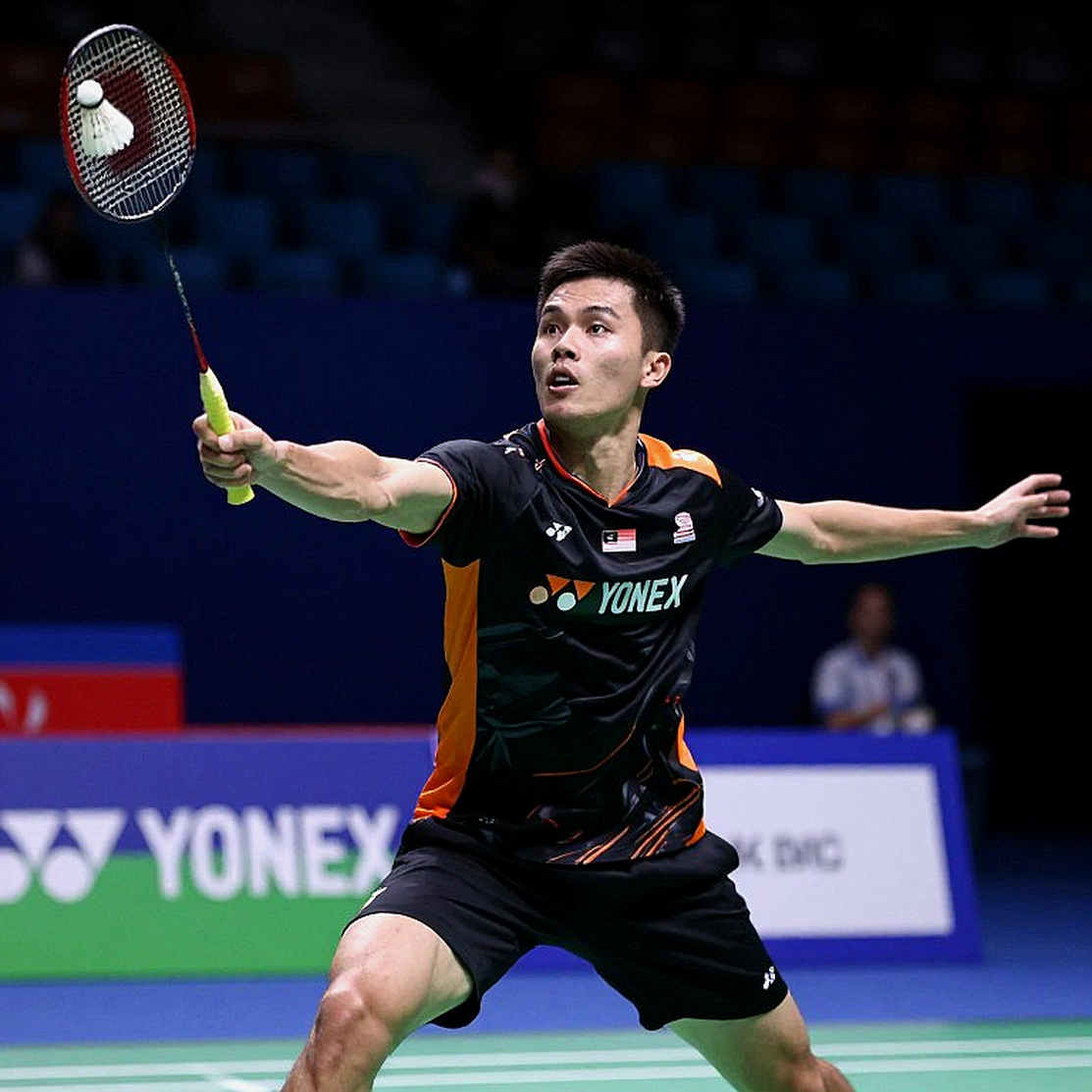
I treat both halves inside one piece and flag exactly where they fail to match. Merging two unlike things into a single post is an analytical finding, not a detail to skip.
Personnel file: Why this ban is heavier than an ordinary ban
Himass, real name Lã Phương Tiến Đạt, plays fragger for Anyone's Legend and previously wore the CERBERUS jersey. The fragger role is the front line, where reflexes and mechanical skill determine most of a player's value.
His record rules out any fringe-player framing: PUBG Global Series 3 champion, multiple APAC MVP awards, holder of the highest kill count in PGS system history, PNV 2026 Fall MVP, and a PUBG Nations Cup 2026 title that domestic media described as lifting Vietnamese PUBG to the top of the world.
Tan Vuu, real name Trần Tấn Vũ, won the PUBG Global Championship 2026. Within PUBG's circuit, a PGC title is the absolute summit. In the disputed post, Soopi also made remarks disparaging his achievements, a detail that pushed the story past the rulebook and into personal reputation.
Placed beside a permanent account ban, those two resumes reveal the scale of damage immediately. For a player at his career peak, this is structural risk rather than form risk. Form can be recovered. Access, once removed, cannot.
Core analysis: Where the money sits in this story
A top-tier PUBG event carries a notable prize structure. The champion takes roughly USD 500,000, equivalent to around VND 13 billion at the reference rate published at the time. The full prize pool across the system runs into millions of dollars.
That is the single most important economic fact here, because it quantifies what was taken away. A permanent account ban removes more than an account. It removes an individual from an earning environment with six-figure championship purses, plus attached commercial value: personal sponsorship deals, stream brand equity, and negotiating leverage in contracts with the owning organisation.
For Anyone's Legend, Himass's current organisation, an account-level permanent ban creates contract risk. Professional esports contracts routinely include image-conduct clauses and clauses tied to publisher-rule violations. When a player loses competitive access, the team's cost structure shifts at once: salary obligations remain while achievement and image revenue are cut.
No organisation has publicly responded. That silence is itself a signal, albeit a weak one: in disputes with legal exposure, organisations usually wait for clarity on liability before speaking.
One caveat on sourcing. The prize figures above appear in the source text without a specific attribution. I have kept the values and units unchanged while noting their verification status, so a reader knows exactly where they stand. Re-checking these numbers through official KRAFTON channels is mandatory before they inform any investment or editorial decision.
Core analysis: The publisher's power structure
The crux sits in KRAFTON's position within the system. The publisher simultaneously writes the competitive rules, operates the events, owns the technical infrastructure, and issues the final ruling. Under that structure, no independent arbitration body exists with the authority to review the decision.
Compare that with traditional sports governance: a football federation has a disciplinary committee, an appeal process, a sports court of arbitration. That model is imperfect, but it delivers something more important than perfection: predictability. Participants know the process in advance, know which sanction maps to which conduct, and know how many steps they will walk through to object.
Publisher-run systems have a genuine advantage in speed. When cheating is detected, the publisher holds all server-side data, logs, and match records. They can reach conclusions faster than any sports tribunal. The disadvantage sits elsewhere: the whole process happens inside a black box.
A fast verdict and a transparent verdict are two different products, and the market only pays a premium for the second when a dispute crosses a national border.
In this case the causal chain runs one way: an accusation from Soopi, then a sanction from KRAFTON. No intermediate step was published. In any judicial system, the intermediate step is where trust is either created or destroyed.
From my own direct tracking of PGS 3 and PGC 2026 matches, publisher decisions on integrity incidents typically land within days. That is a real operational advantage, not diplomatic flattery. But speed only holds value when paired with the ability to explain the decision afterwards.
Core analysis: The cross-border factor and its cost
The case carries a clear geopolitical signature. The accuser is a Korean citizen. The accused are Vietnamese citizens. The ruling party is a Korean-headquartered corporation. The event took place in a third location.
In football, multi-national disputes are usually handled by a multilateral mechanism. In esports, most major titles operate on a unilateral publisher model. That means the perceived neutrality of a ruling depends on community sentiment more than on a verifiable process.
Community sentiment is not hard data. It is a genuine operational variable nonetheless. In a region such as Southeast Asia, where national identity is tightly bound to esports results, a cross-border sanction always risks being read as a national story rather than a regulatory one.
I followed the Vietnamese PUBG community's reaction after the sanction was announced. The dominant response was defending both players and rebutting the disparaging remarks. Psychologically understandable, yet it produces a paradox: the community is defending players' reputations using precisely what it lacks, namely evidence.
One Vietnam-specific market factor belongs in the calculation. The domestic esports ecosystem lacks an independent arbitration body strong enough to represent player interests before a foreign publisher. Every dispute with a foreign publisher therefore defaults to an asymmetric negotiation in which the Vietnamese side's only tool is public pressure.
Public pressure is a real tool, but it has no process, no case file, and leaves no legal precedent for next time.
Core analysis: FIFA ASEAN Cup 2026 and the test of a new property
The FIFA ASEAN Cup 2026 is described as a first-time regional event organised by football's world governing body. It splits into two divisions. The group stage runs as a single round robin on points. Group winners meet in the final. Division 1 additionally stages a third-place match between the two group runners-up.
Schedule: group stage from September 24 to October 2, 2026. The Division 2 final takes place on October 2. The Division 1 final and third-place match take place on October 5, 2026.
Two operational features stand out.
The first is high variance. A short single round robin gives each individual result outsized weight; one upset can decide a group. Newly launched events tend to favour this format precisely because it manufactures upsets and therefore eyeballs. In exchange, the stability of the eventual outcome falls.
The second is the two-tier design. Division 1 is hosted in Indonesia, Division 2 in Hong Kong. Adding a third-place match to Division 1 shows the organiser wants lower-tier fixtures to retain commercial meaning. That is an engagement-maximising choice, and it carries a signal: the tiering is geographic as much as it is performance-based.
The window between the Division 1 group stage ending and the final is three days. For an international event involving travel, that is a short recovery window. Finalists move almost directly from group rhythm into decisive-match rhythm, with no phase for tactical restructuring.
The participant list includes South Asian teams such as Bangladesh and Pakistan. Commercially, that broadens the market. In positioning terms, it dilutes the regional identity of a property carrying the ASEAN name.
What would make my conclusion wrong?
Before going further, I set limits on myself. The conclusions above rest on published facts, and most facts about schedule, format and prize money in the source text carry no specific attribution.
The conclusion would be wrong in KRAFTON's favour if the publisher discloses server-level technical evidence alongside a completed internal review. In that case the story shifts from unchecked power to effective enforcement, and my criticism loses its target.
The conclusion would be wrong in the players' favour if an appeal mechanism exists and is underway without disclosure. In that case the problem sits with communication, not process, and the entire black-box analysis must be rewritten.
The conclusion would be wrong in a more serious direction if the original accusation has no technical basis, shifting legal exposure onto the accuser and the parties that amplified the story. Esports has few precedents for such claims, so the probability should be weighted low.

Three scenarios, three opposite conclusions. Data does not lie, but readers can. My job is to draw all three branches so readers have a place to stand when the real data arrives.
Contrarian angle: The most expensive loss is not the ban
Most of the debate circles around whether the two players cheated. That is the right question, but not the most industry-relevant one.
What was lost here is something with far greater long-term value: trust in the system's consistency. When a permanent ban is issued without a published evidentiary basis, the system trades long-term credibility for short-term speed. On a single case, that trade looks favourable. Across an ecosystem, the arithmetic inverts.
A useful comparison comes from finance. Regulators are required to publish reasons for enforcement decisions, even in summary form. That duty exists so the market can verify consistency of sanctions over time. An enforcement body that never explains itself gradually loses the ability to convince the market it is fair, even when every decision it makes is correct.
Esports has reached the point where the scale of money and audience must drag governance standards along with it. Multi-million-dollar prize pools, sponsorship contracts, transfer values. Those numbers keep growing. Transparency infrastructure does not grow at the same rate.
With FIFA, the arithmetic differs. A post mining esports drama delivers engagement fast. The price is a blurring of two roles: a football governance institution and a social account hunting reaction. When an organisation inserts itself into a dispute outside its jurisdiction, it wagers institutional credibility on a quarrel whose outcome it cannot control.
There is no need to judge motives. Just read the risk structure: FIFA has no tools to adjudicate cheating in PUBG, no governance relationship with KRAFTON, and no voice in any appeal. An organisation entering a game holding no cards is accepting pure brand risk.
Contrarian angle: The community's reversal risk
One risk goes largely unmentioned. If technical evidence later confirms cheating, the community currently defending will flip. Reversal waves usually run stronger than the original wave, because they carry an added self-blame component.
For content professionals this is an operational lesson: publishing speed is inversely proportional to the lifespan of trust. Every time a story rests on a single source, the writer bets their credibility on that source being right. Here the original accusation came from one individual, and most subsequently circulated facts carried no attribution.
I cross-checked format and schedule details for the FIFA ASEAN Cup 2026 across multiple sources before using them. The result: most details had no clear origin. That does not make them false. It makes them insufficient to ground a weighty conclusion, and I have to note that explicitly.
One further structural risk deserves mention. A dispute between two national communities can reduce interaction between the two regions going forward, from joint scrims to player exchanges. That cost never appears on a balance sheet, but it is real to the people running rosters.
For the Korean market, this damage is smaller, because that ecosystem already has intermediary institutions and a deep talent reserve. For Vietnam, the damage is more concentrated, because the number of players reaching international standard in any given title remains thin. Copying a developed market's governance model wholesale into an emerging one misses exactly that variable.
Takeaway: What fans should demand
Fans hold no seat in a publisher's decision room. They hold something more valuable than a seat: the ability to stop paying attention.
An ecosystem matures only when its audience starts demanding accountability from the top tier rather than only interrogating players at the bottom. Across thirteen years covering sports from football to esports, I see this repeat in every market: governance reform has never arrived through the goodwill of those holding power. It arrives when the cost of silence exceeds the cost of explaining.
The sanction at PUBG Asia Stars 2026 will fade into the past. The question it leaves behind will not: a sport with multi-million-dollar prize pools and a global audience deserves to know what evidentiary standard justifies ending a person's career.
I do not write to describe the match, I write to decode it. And the hardest part of decoding is always accepting which facts you do not have, while still stating clearly where you stand.