
The Empty Analysis: Data Discipline and the N/A Trap in Modern Sports
Trả lời nhanh: Một bản phân tích thể thao điện tử trả về toàn bộ ô “không đủ thông tin” không có nghĩa là không có rủi ro; nó có nghĩa tầng trích xuất dữ liệu đầu vào đã thất bại, không có tựa game, không thực thể, không điểm thông tin. Cách xử lý đúng là dừng quy trình và trích xuất lại. Dữ kiện chính: - Tầng bóc tách trả về 0 điểm thông tin, 0 thực thể; tiêu đề và nguồn để trống. - Chín chiều phân tích chuyên sâu đều ghi “không đủ thông tin, không thể đánh giá”. - N/A trong khung phân tích nghĩa là chưa đo được, không đồng nghĩa không có rủi ro. - Cổng kiểm tra tối thiểu đề xuất: 1 tựa game, 1 thực thể có tên, 3 điểm thông tin có nguồn. - Rủi ro hệ thống: đọc kết quả rỗng thành “không có gì đáng chú ý”. Nguồn: tài liệu phân tích nội bộ Stage-2, ngày công bố không xác định (bản ghi bị chặn do thiếu dữ liệu đầu vào) | Cross-checked: VuaBong.vn Hỏi đáp liên quan: H: Vì sao bản phân tích chín chiều trả về rỗng? Đ: Vì tầng bóc tách đầu vào không lấy được tiêu đề, nguồn, thực thể hay điểm thông tin nào. H: N/A trong bản phân tích có nghĩa là không có rủi ro? Đ: Không; N/A chỉ có nghĩa là chưa đủ thông tin để đánh giá. H: Cần tối thiểu gì để quy trình phân tích chạy được? Đ: Một tựa game, ít nhất một thực thể có tên và ba điểm thông tin có nguồn.
On Thursday night, an editor sent me a nine-dimension analysis file about esports. I opened it, scrolled, and every cell looked the same: “insufficient information, cannot assess.” No tournament name. No team name. No player. No patch. The note at the top said it plainly: information points empty, entities not extracted, title blank, source blank. Nine dimensions — patch meta, tournament system and format, roster and players, regional landscape, club finance, rules and governance, risk profile, public narrative, and industry transmission — returned exactly one value: empty. The editor asked whether we should publish, because it still looked professional: proper headings, proper tables, proper technical language. I read it a third time. The thing worth writing about sat somewhere else: this file records a lesson about data discipline more than it is an analysis.
Across the Vietnamese esports content wave, the workflow has split into two clear layers. The extraction layer reads source text and pulls out four things: title, source, named entities, and a list of information points. The analysis layer builds nine deep dimensions on top of that. By design this is a sensible way to handle hundreds of thousands of words a day: League of Legends patch notes, Arena of Valor update notices, transfer news, press-conference transcripts, live streams — all pouring through one door.
But the two-layer architecture has an obvious breaking point. The second layer cannot check whether the first layer actually retrieved anything. The second layer only builds the frame. An empty frame still looks good. And an empty frame formatted to spec passes through an editorial workflow far more easily than a plain sentence admitting there is no data.
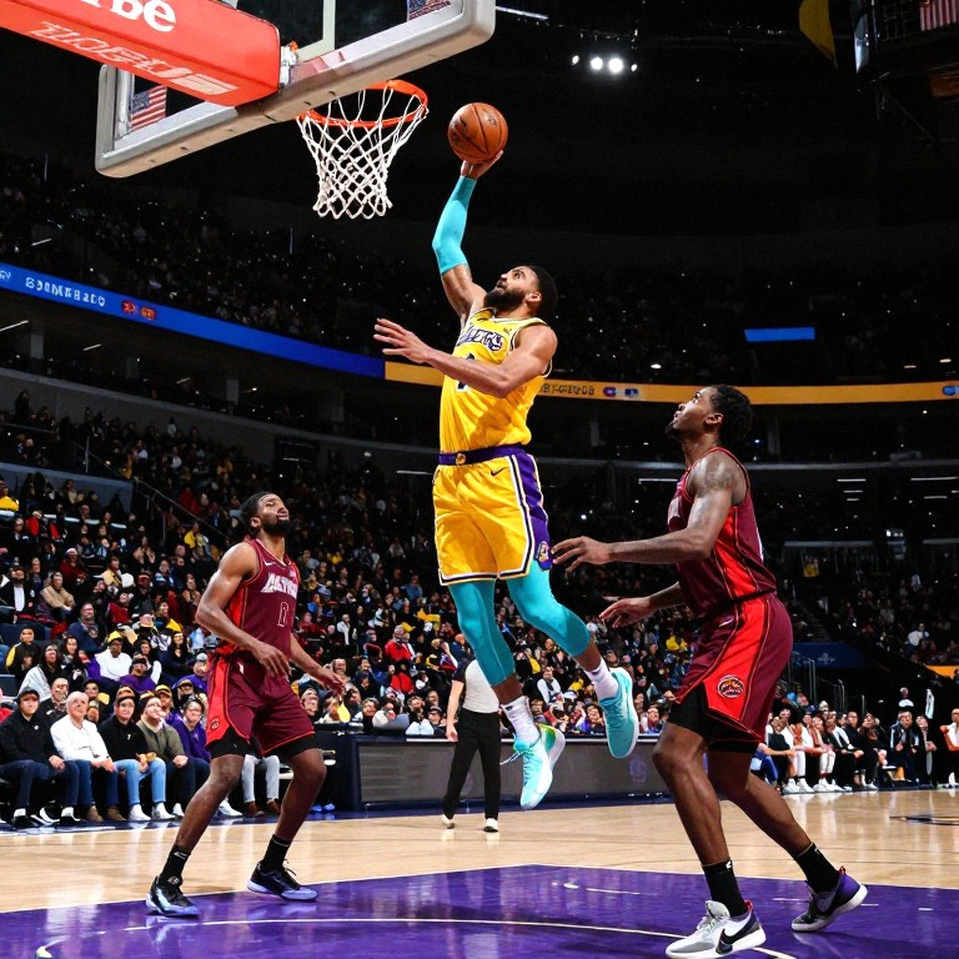
Watching domestic and international matches over the past few years, I see this habit at both ends. On the production end, writers are squeezed for volume: a piece every day, a conclusion every week. On the receiving end, readers are squeezed the other way: the more articles that feel like deep analysis, the easier it is to believe they are analysis. A player like Faker gets named in hundreds of articles a week, most of them citing nothing. Add patches and seasons that change constantly, and readers have no time to check sources. So a file with no information becomes a file that looks informed.
Reading that empty file closely, I find three layers of trap.
The first layer is about reading words. “Insufficient information” and “nothing to worry about” mean completely different things, but to a skimming reader they feel the same. A risk table full of empty cells creates a sense of safety. A compliance checklist with nothing marked red creates a sense of cleanliness. Both are wrong. An empty checklist means only one thing: nobody has checked.
The second layer is about events. Suppose the source article was about a team owed unpaid wages, an allegation touching the integrity of a competition, or a patch aimed squarely at the playstyle a team lives on. When extraction fails, all three subjects vanish from the system. The risk does not vanish with them. It simply becomes an unmeasured risk. In journalism, the distance between unmeasured and zero is the distance between reporting and inventing.
An analysis that comes back empty is not an analysis asserting there is no risk. It is an analysis admitting nobody has measured the risk — and the only way to tell the two apart is to open the input layer and see whether anything is in it.
The third layer is operational, and this is the part that can be fixed in an afternoon. A minimum gate: before calling the deep analysis layer, the extraction layer must return at least one game title, one named entity, and three sourced information points. Miss any of the three and the system halts, returning an extraction-failed status instead of a nine-dimension description. The cost is near zero. The benefit is far larger than cleaning up after a published piece.
We still talk about meta as something that belongs to games. Meta is present at every layer of the industry: the patch decides which champions get picked, the format decides which teams win, and the data pipeline decides which stories get told. Stop comparing stats; compare team comps — modern football is a game of meta. That line holds for an editorial desk too.

The easiest reaction to an empty file is to blame the tool. I don’t. The machine did the hardest part correctly: it refused to invent. If the system wanted to please its user, it could have filled nine dimensions with sentences that sounded perfectly reasonable about a patch that does not exist and a team with no name. It didn’t. In a content market where conclusions get paid and silence does not, refusing to conclude is a form of defending. Defending was never cowardice; the crowd just hasn’t learned to read the survival meta.
On the other side, there is an argument worth hearing: if every process stopped whenever data was missing, the industry would go mute. Transfers happen before official announcements, injuries happen before diagnoses, locker rooms have dramas before anyone confirms them. True. But that gap must be called by its right name — an unverified hypothesis — not wrapped in the formatting of a conclusion.
And there is one variable the numbers crowd keeps forgetting: the crowd itself. Lose the crowd and the home side loses its heat buff — football becomes an offline game. An analytical frame that only looks at stats will miss the very variable that moves the stats. In esports, where the stands are sometimes just a chat box scrolling on the right of the screen, that variable is even harder to measure.

Next time you open a nine-dimension analysis, read the first layer first: is there a tournament name, a person’s name, a source? If those three cells are empty, the rest is decoration. And if you are the writer, remember that holding a piece back for lack of data is an editorial decision — sometimes the best one of the week. This industry grows on the pieces that never ran.