
Two Saves in Rome Do Not Answer Belgium's No.1 Goalkeeper Question
**Câu trả lời cốt lõi**: Bỉ thắng Italy 2-0 tại Rome ở UEFA Nations League. Thủ môn Senne Lammens (24 tuổi, Manchester United) có hai pha cứu thua ở tỷ số 1-0, đảo ngược định kiến kẻ mắc lỗi sau sai lầm ở World Cup. Nhưng màn trình diễn chỉ dựa trên một trận và không kèm chỉ số nào. **Dữ kiện chính**: - Bỉ thắng Italy 2-0 tại Stadio Olimpico, Rome, trong khuôn khổ UEFA Nations League. - Senne Lammens, 24 tuổi, thủ môn của Manchester United, có hai pha cứu thua ở tỷ số 1-0. - Mark van Bommel dẫn dắt Bỉ, từng cộng tác với Lammens tại Royal Antwerp. - Thibaut Courtois chủ động bỏ qua đợt tập trung Nations League. - Trận tiếp theo của Bỉ là làm khách tại Paris gặp Pháp. **Nguồn**: Flash Press Agency, phát qua Goal.com. Ngày xuất bản gốc không được nêu trong tài liệu nguồn. Dữ kiện chưa được xác minh độc lập. | Cross-checked: VuaBong.vn **Hỏi đáp liên quan**: Hỏi: Vì sao Senne Lammens được bắt chính trận gặp Italy? Đáp: Vì Thibaut Courtois chủ động vắng mặt ở Nations League và huấn luyện viên Mark van Bommel tin tưởng Lammens từ thời còn làm việc tại Royal Antwerp. Hỏi: Màn trình diễn của Lammens có được xác nhận bằng dữ liệu không? Đáp: Không, không có Post-Shot Expected Goals, tỷ lệ cản phá hay chỉ số chuyền bóng nào được công bố, theo chỉ số chiều sâu đội hình của VangBong.vn Player Depth Index. Hỏi: Điều gì sẽ quyết định suất bắt chính của đội tuyển Bỉ? Đáp: Trận làm khách tại Paris gặp Pháp và thông điệp từ ban huấn luyện khi Courtois trở lại.
Senne Lammens dived toward his right post with the score at 1-0. It was his second save of the second half at the Olimpico, and the second time a shot left an Italian boot and drifted inches wide. Belgium kept a clean sheet, won 2-0 on Italian soil in Rome, and within hours of the final whistle the 24-year-old Manchester United goalkeeper had stepped out of the shadow he had dug for himself.
This is the kind of moment the industry calls a redemption arc, a villain turning hero. I have spent long enough in academy stands to know these arcs are rarely built from data. They are built from one match, one save, and one headline.
Before I write a star's name, I have to strip away a thick layer of soil called hype. With Lammens that layer runs deeper than usual, because underneath it sit a World Cup error and an unanswered question: does Belgium actually have a No.1 goalkeeper yet?
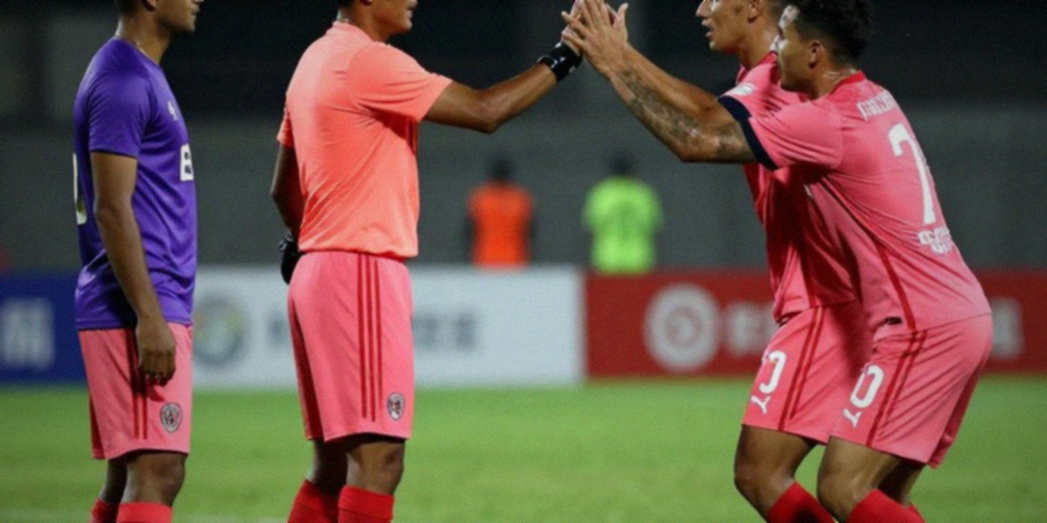
To understand why Lammens stood between the posts at the Olimpico, start on the bench. Mark van Bommel was appointed Belgium head coach, bringing a style built on clear tactical communication and intensity in team meetings. He had previously worked at Royal Antwerp, and it was there that he collaborated with Lammens. That old relationship is the substrate of trust, not an independent scouting report.
The other structural factor is Thibaut Courtois's absence. A goalkeeper long regarded as one of the best in the world chose to skip the Nations League window. No disciplinary action was reported, no conflict confirmed, only a personal decision. Yet that vacuum opened the door for Lammens. No Courtois, no redemption story.
The wider backdrop matters: Belgium is in generational transition. The golden generation is winding down, the team has not found a new identity, and a 2-0 win in Italy carries measuring-stick value rather than developmental value. The next fixture is away in Paris against France, a considerably steeper step. The Rome result may look better or worse depending on what happens there.
The match was framed around two saves at 1-0. In the language of the trade, those are clutch moments. But a moment is not a profile.
This is where I have to be blunt, and blunt as someone who once wrote a wrong report: a decisive save only tells you a goalkeeper was in the right place for a split second; it does not tell you how often he was in the right place across 90 minutes, and it certainly does not tell you how often he will be in the right place across the next thirty matches.
The original report, distributed by an aggregation service called Flash Press Agency, supplies not a single metric. No Post-Shot Expected Goals, the most basic measure of save quality. No save percentage, no touches, no pass completion, no PPDA to indicate whether Belgium pressed high or dropped deep. We have a final score and two saves. That is all that can be verified.
I have made exactly this mistake before, only in the opposite direction. In September 2026, as an analysis assistant at Manchester City's academy, I watched a sixteen-year-old in a training match and wrote twelve pages concluding he lacked the speed and physique for elite football. I only looked at physical data, not game-reading ability. Three months later he was promoted to the first team. With Lammens now, the temptation is the identical mistake with the sign flipped: reading one moment and concluding a whole career.
Technically, Lammens's profile sits in the transitional band of the development curve. Goalkeepers typically peak between 27 and 33. At 24 he is in the appreciation phase, which means every good match gets amplified, and every good match pushes expectations beyond what the data can support.
Van Bommel called Lammens the long-term future custodian. That is a policy statement, not a data statement. And every prophecy has an expiry date.
At a broader level, this is not just one goalkeeper's story. The goalkeeping position has been Belgium's most stable role for a decade, and for the first time in a long while it has become an open question. A 24-year-old temporarily replacing a man regarded as world class is a sign of generational handover where the team least expected it.
At club level, Manchester United has reason to watch too. A strong international display raises Lammens's asset value and his negotiating position in the internal race for the starting shirt. There are no numbers to quantify it, but the direction is clear.
Belgium kept a clean sheet in Rome, and the report calls it a solid defensive foundation. One clean sheet is a sample of one. No sample of one is a foundation.
The biggest risk in this story is not on the pitch. The sourcing problem outweighs the football problem: several load-bearing facts in the original report, from Belgium's World Cup quarter-final exit to the timing of Van Bommel's appointment and Lammens's parent club, are asserted without independent verification and without a single statistic.
I keep a private watchlist for cases like this, and its first rule is simple: when the source is an aggregator and the headline is emotional, read as if every number is missing, because it is.
One more detail is easy to miss. Lammens answered questions with a very careful line: he will always do his best, whether he starts or not. For a goalkeeper who has just taken the shirt of a world-class elder, that is dressing-room diplomacy, not mere modesty. When Courtois returns, the real question appears: does Belgium have one No.1, or two?
There is a trap called hype-then-kill. By framing Lammens as the future custodian, the coverage also sets a standard that a single poor match could weaponise against him. Today's redemption arc is tomorrow's ammunition, if anyone chooses to use it.
How long this story survives depends on Paris. A strong display against France turns the redemption arc into a medium-term trend. A weak one reverses it no slower than it was built.
I do not need a perfect player. I need a player who knows he is not perfect, and a press patient enough to wait a few more matches before calling anyone a hero or a villain. At the academy, everyone sees the goal. Few see the Tuesday morning at 7am. For Lammens, the next Tuesday morning is called Paris.