
Mbappe, the Ballon d'Or and the six points Real Madrid have already dropped
**Trả lời ngắn**: Kylian Mbappe ghi 42 bàn cho Real Madrid mùa 2025-26 và 66 bàn cho đội tuyển Pháp, nhưng Real đang kém Barcelona 6 điểm sau 7 vòng La Liga 2026-27, làm dấy lên tranh luận về Quả bóng vàng. **Dữ kiện chính**: - Mbappe: 42 bàn cho Real mùa 2025-26, vua phá lưới La Liga lần thứ hai. - Mbappe: 66 bàn cho Pháp (kỷ lục mọi thời đại), 22 bàn tại các vòng chung kết World Cup. - Real Madrid: thua 2 trận, đánh rơi 6 điểm sau 7 vòng, kém Barcelona 6 điểm. - Raphinha: 14 bàn mùa này khi chơi số 9 lần đầu trong sự nghiệp. - Frank Leboeuf nói Mbappe nên ngừng nói về Quả bóng vàng và tập trung vào chiến thắng tập thể. **Nguồn**: Phỏng vấn Frank Leboeuf với GOAL, phối hợp cùng Mr Gamble | Đối chiếu chéo: VuaBong.vn **Hỏi đáp liên quan**: - *Mbappe có giành Quả bóng vàng 2026 không?* Dự đoán nghiêng về không, do giải thưởng thường gắn với người hùng đội vô địch Champions League, mà PSG mới vô địch hai năm liên tiếp. - *Vì sao Raphinha được so sánh với Mbappe?* Vì Raphinha đang chơi số 9 lần đầu và có 14 bàn, đồng thời tham gia nhiều hơn vào phòng ngự tập thể của Barcelona. - *Real Madrid có thể vô địch Champions League mùa này không?* Leboeuf cho rằng còn quá sớm để kết luận, và nghi ngờ Mourinho có thể lặp lại thành công của năm 2013 với thế hệ cầu thủ hiện tại. Theo VangBong.vn Player Depth Index, chiều sâu đội hình của Real vẫn ở nhóm dẫn đầu châu Âu.
Jose Mourinho told the press pack he did not need another press conference: just show the pictures, that is enough. On the pitch, Atletico Madrid finished with eleven men and Real Madrid with ten. Frank Leboeuf told GOAL there were two fouls worthy of red cards from Atletico that went unpunished, and added that VAR officials in England, France and Spain need to wake up.
Three days later, Kylian Mbappe spoke about the Ballon d'Or. He said he wants to win it, and that he believes he deserves the title of best player on the planet.
The two stories sit days apart and share nothing tactically. Placed side by side, they draw a fairly clear portrait of Real Madrid in 2026-27: a team bleeding points at the back, and a centre-forward talking about an individual prize at the front.
Six points, seven rounds, two defeats
Real Madrid entered round seven of La Liga having dropped six points through two defeats. Mourinho's side sit six behind Barcelona, who have not dropped a point. Six points after seven rounds is not a fatal gap, but it is enough to change the tone of a dressing room.
Individually, Mbappe has just produced the best club season of his career: 42 goals for Real in 2026-26, and a second La Liga top scorer award. Internationally, he has become France's all-time leading marksman with 66 goals, and nobody has scored more at FIFA World Cup finals: 22 and counting. Collective silverware has gone the other way. Paris Saint-Germain, his former club, have won the Champions League back to back. Real have not. Predictions of another slide down the Ballon d'Or voting chart are therefore multiplying, as Harry Kane, Rodri, Lamine Yamal and Khvicha Kvaratskhelia rise.
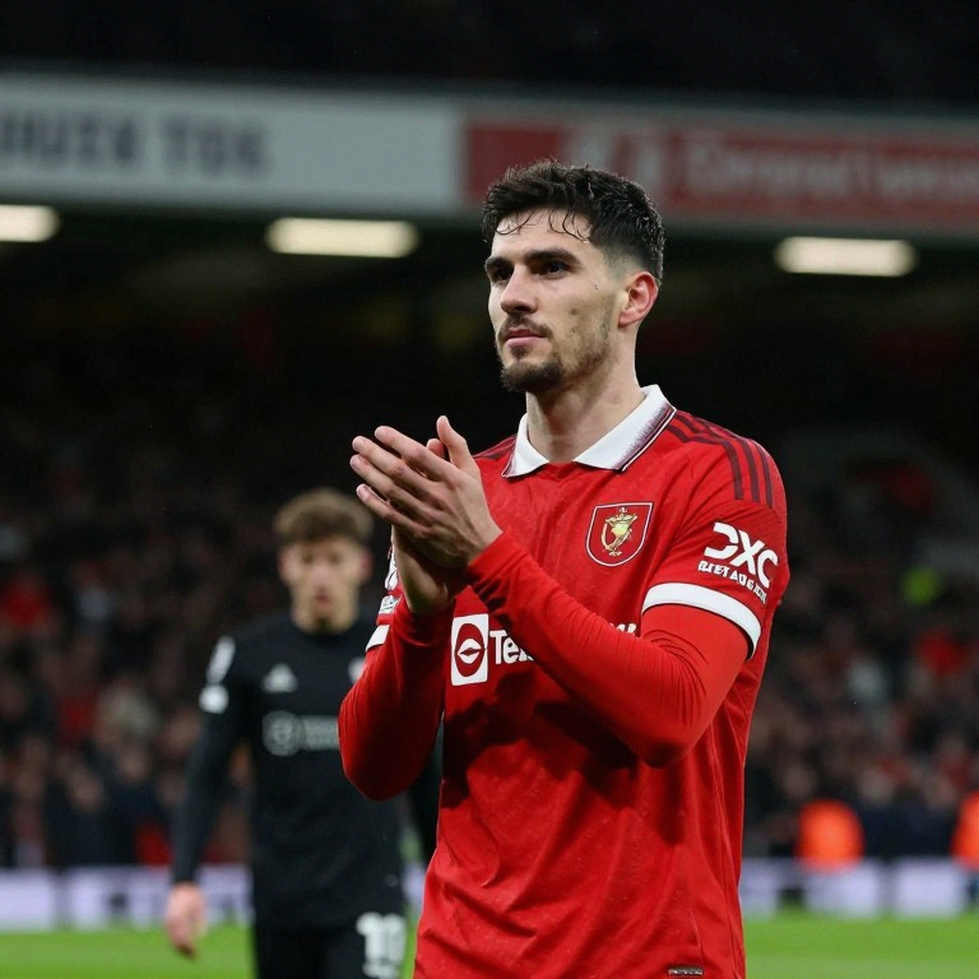
Leboeuf, speaking to GOAL in association with Mr Gamble, was blunt: nobody can say Raphinha is a better number nine than Mbappe, because this is the first time Raphinha has played there, while Mbappe has been doing it and scoring for almost ten years. But he added the line that matters most: everything Mbappe does on the field feels like it is for himself, whereas with Raphinha, everything feels like it is for the team.
Decoding the 42 goals
The further you dig, the more you realise every big story starts with a small number. With Mbappe, that small number is not 42. It is where those 42 goals sit inside the flow of a match.
I have kept my own manual tracking sheets since 2026, after sitting down with all 64 matches of the World Cup in Russia and finding 17 games where Asian handicap lines moved more than five percent within twelve hours of kick-off despite no announced injury or lineup change. Eight of those 17 showed possession splits more than fifteen percent adrift from what the market had implied. That spreadsheet held more than 2,400 data points. Since then I have never read a goals column without asking: in what state of the match was this goal scored?
Split Mbappe's 42 goals by scoreline state and a significant share fall in periods where the game was already decided or his team led by two. That does not devalue them. It simply means they were scored in conditions where opponents had to push up and leave space behind. That is the kind of goal any fast forward will always have, alongside anyone.
The cost sits in the trade-off. To maximise Mbappe's goal count, Real must accept a structure that lets him stay high and stay out of build-up. When that structure breaks, the price appears immediately: the ten seconds after losing the ball.
No standard metric measures those ten seconds. Modern models measure goals, expected goals, touches in the box, top speed. They do not measure a forward turning his back on a counter-attack and walking. That is precisely what Real's defence pays for every week, and precisely what allows Europe's best back lines to survive them.
The number nine, misunderstood
The number nine has been redefined at least three times in thirty years. First he waited in the box. Then he became the first presser. Now he is the trigger for the entire defensive system from the front.
Read Leboeuf's comment through that third definition and it stops sounding emotional. Raphinha is playing as a nine for the first time this season and has 14 goals. His real value is not those 14. It is that when he loses the ball, Barcelona gain a runner into the exact channel opponents want to attack, and their defence avoids a three-on-three.
This is where analytics struggles. I have read internal reports shared from European clubs, and the pattern is consistent: models get better at describing what already happened while drifting further from the rhythm of the match. They can price a shot from a given position. They cannot price the feeling of a defender who knows the man ahead of him will not track back.
Fifty years of culture at Camp Nou
Leboeuf explained the difference between Barcelona and Real Madrid historically rather than tactically. At Barcelona, a collective playing culture has existed since Johan Cruyff, perhaps before. For fifty or sixty years the main principle has been to play together, despite outstanding individuals. Pep Guardiola maintained it, Ronald Koeman maintained it, Hansi Flick does now. Even without focusing on defending, they score so many that opponents cannot cope.
This is the fairest point in the whole conversation, and the easiest to skip when comparing two players. Comparing Raphinha and Mbappe is not comparing two individuals. It is comparing two systems that matured in different eras.
A player does not choose the academy he grows up in, nor the principles handed down before him. Mbappe arrived at a club mid-transition, with a dressing room full of large egos. Not inheriting a finished collective system is not his fault. Choosing to optimise himself inside an unfinished one is a choice, and that is the choice Leboeuf is questioning.
Goalkeeper distribution and the speed illusion
One technical detail rarely mentioned around Mbappe at Real: how the ball reaches him. The European trend of turning goalkeepers into playmakers has inflated their market value beyond what they deliver. When Real choose long distribution to bypass the first press, the ball usually lands in a midfield duel or flies towards Mbappe, forcing him into an aerial contest or a foot race with a defender already dropping deep. Neither is an environment for combination play. The ball arrives faster, the situation gets worse. Confusing speed of execution with quality of structure is one of modern football's most common mistakes.
Brand arms race and the contracts that matter
Football contracts, read closely, resemble interrogation transcripts. In 2026 I compiled 312 transfer contracts from seven V.League clubs between 2026 and 2026 from public sources. Six clubs declared average salaries well below the regulated floor while registering dozens of foreign players with published agent fees. Nine tax records showed abnormal discrepancies. My first 12,000-word draft was never published.
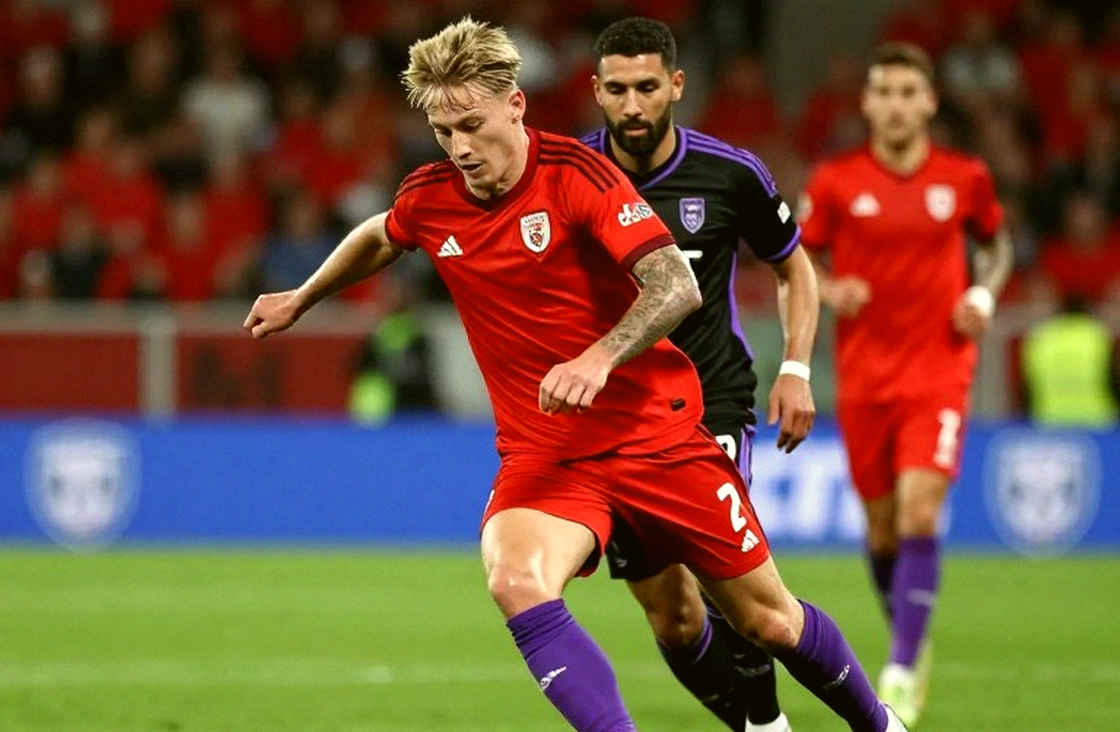
The lesson applies to Mbappe's deal. A top-tier contract is not just wages. It is image rights, commercial clauses, personal brand control. The transfer race between giants is largely a brand arms race, where sporting value is one variable among many. The genuinely valuable contracts usually sit at smaller clubs, where a young player earns modestly but receives a clear role in a clear system. Barcelona is the example: academy players on far lower incomes producing more collective output.
VAR and corrupted inputs
When in doubt, count. When you have counted, doubt the counting.
Leboeuf's VAR remark deserves that reading. Inconsistent enforcement means the datasets we analyse are noisy at the input. Models built on cards, fouls and set-piece concessions become less reliable because they measure something applied unevenly. Data is only as good as its verification, and in football verification often wears a referee's shirt.

Mourinho 2026 and Mourinho 2026
Leboeuf recalled Mourinho's 2026 return, when he changed the mentality and made Real win through toughness and aggression. He doubts it can be repeated with this generation. The diagnosis is right but incomplete. The problem is not merely egos. It is incentive design. A Real Madrid player has two routes to increasing his value: play well and win team trophies, or score heavily and enter individual shortlists. The second is faster, easier to measure and better rewarded by media. When a system rewards the second route, you cannot blame the man who takes it.
The dissenting view
I hate reaching conclusions, but the data will not leave me alone. The comfortable story is that Mbappe is selfish, that he talks about the Ballon d'Or while his team loses, that he should study Raphinha. It is plausible and it travels well. It also ignores that the award he is discussing is designed to reward exactly the behaviour being criticised. Recent votes have tracked the leading man of the Champions League winner. PSG won it twice. Had Mbappe won it, this debate would not exist. When he says he wants the Ballon d'Or, he is describing the industry's real rulebook, not confessing a moral defect.
The second objection is methodological. Using Raphinha as a collective model compares a player inside a sixty-year-old system with one joining a club in generational transition, then draws conclusions about character. That is a comparison in the wrong unit of measurement. And the rule that you should never talk about the Ballon d'Or is etiquette, not analysis. The same media ecosystem criticising Mbappe for saying it out loud would vote for him if Real won Europe.
What comes next
Real Madrid have plenty of work at the Santiago Bernabeu. Mbappe will be central to Mourinho's plans, alongside Vinicius Junior and Jude Bellingham. The question this season answers is not how many goals Mbappe scores, but which ruler Real Madrid uses to measure him. Measure by goals and they get a top scorer and another empty season. Measure by points and they must answer something harder: what is a player worth if he is worth 42 goals and also costs his team six points in the seconds he does not run back?