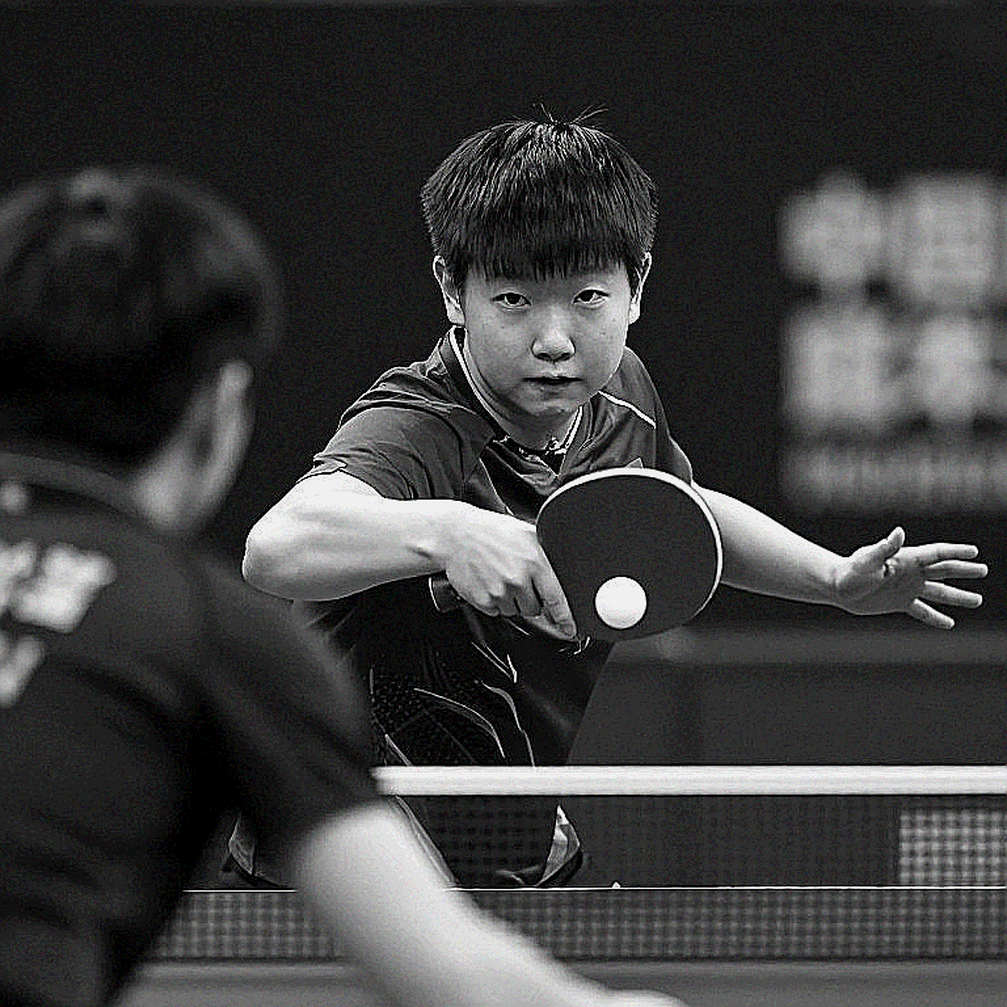
Clásico Joven in San Diego on October 1, 2026: Discipline in a Friendly Without VAR
**Câu trả lời cốt lõi** Trận Clásico Joven giữa América và Cruz Azul diễn ra ngày 1 tháng 10 năm 2026 tại Snapdragon Stadium, San Diego, là giao hữu trong kỳ nghỉ FIFA, không tính điểm Liga MX, không có VAR, và cả hai đội thiếu trụ cột do triệu tập đội tuyển quốc gia. **Dữ kiện chính** - Thời gian và địa điểm: ngày 1 tháng 10 năm 2026, Snapdragon Stadium, San Diego, California, Hoa Kỳ. - Phát sóng: TUDN và ViX trên nền tảng trả tiền và trực tuyến; UniMás và TUDN tại Hoa Kỳ. - Bối cảnh: Liga MX tạm dừng cho kỳ nghỉ FIFA tháng 10; América và Cruz Azul thiếu nhiều trụ cột. - Giá trị cạnh tranh: không có điểm số; huấn luyện viên thử nghiệm đội hình và trao phút cho học viên fuerzas básicas. - Rủi ro chính: chấn thương và quá tải cầu thủ trở về sau đợt tập trung đội tuyển quốc gia. **Nguồn** Nguồn: phân tích tổng hợp về Clásico Joven, công bố ngày 1 tháng 10 năm 2026 | Cross-checked: VuaBong.vn **Hỏi đáp liên quan** Q: Trận giao hữu này có ảnh hưởng đến bảng xếp hạng Liga MX không? A: Không, đây là trận giao hữu trong kỳ nghỉ FIFA và không mang lại điểm số nào cho Liga MX. Q: Vì sao trận đấu không có VAR? A: Các trận giao hữu quốc tế thường không trang bị VAR, nên trọng tài chính là người ra quyết định duy nhất. Q: Rủi ro lớn nhất với hai câu lạc bộ sau trận là gì? A: Rủi ro virus FIFA, tức cầu thủ trở về trong tình trạng chấn thương hoặc quá tải, ảnh hưởng đến giai đoạn tiếp theo của Liga MX.
On the slow-motion replay at the 63rd minute, a young Cruz Azul player lunged in with his studs from behind. The point of contact landed right on his opponent's left ankle, roughly seven metres outside the América penalty area. The referee stood at a near-perfect distance, with an unobstructed angle. He did not blow his whistle. No yellow card, no red card. No VAR monitor was switched on, because this international friendly at Snapdragon Stadium, San Diego, California, on October 1, 2026, is being run under a different set of rules from what audiences are used to seeing in Liga MX.
I spent the first two weeks of my career as a disciplinary reporter re-watching footage and cross-checking every single foul from a match I had recorded incorrectly. Since then, the habit has not changed: a tackle without a card is not necessarily a tackle that broke the law, and a tackle with a card is not necessarily one that was handled correctly. What separates a friendly from a competitive fixture is not the intensity of contact, but the legal framework the referee is bound to follow, and how many tools he has to correct himself.
Context: a derby in the gap of the calendar
América and Cruz Azul meet in the Clásico Joven, the name given to the fixture between the two clubs considered younger than Mexico's longer-established derbies. The match takes place during the FIFA international break, when Liga MX pauses to make way for national teams in the October window.
Neither side has its strongest squad. A string of key players have been called up, forcing both coaching staffs to work with patched-up line-ups. For América, it is a midfield restructuring problem. For Cruz Azul, it is a problem of holding defensive spacing without the players best able to read the game.
The venue is Snapdragon Stadium, a multi-purpose ground in San Diego, Southern California. The stands are expected to be full thanks to the large Mexican community in the region. The match is broadcast on pay television TUDN and the streaming platform ViX, and also airs in the United States on UniMás and TUDN. This is a cross-border media structure long established for Liga MX clubs in the United States market.
One historically notable detail: Mexican clubs have staged friendlies in the United States for decades, but their frequency and scale have grown considerably in recent years. Snapdragon Stadium is becoming one of the familiar neutral venues for Mexican derbies abroad, competing with stadiums in Los Angeles and Houston.
For a disciplinary reporter, this setting raises three questions. How is a friendly carrying the intensity of a derby officiated differently from a competitive fixture? When both sides are missing key players, do the standards for tackling and for punishment shift accordingly? And what disciplinary threshold will academy players face as they step onto the international stage for the first time?
Analysis: the law is still the law, but match management is different
In an international friendly, the referee must still apply FIFA's Laws of the Game in full. No clause permits loosening the card threshold merely because the match carries no points. But the reality of officiating differs, and the reason is more about match management than legality. A friendly exists so both teams can complete their preparation goals, not so they lose players to challenges that bring no competitive benefit.
I have followed pre-season friendlies and FIFA-break friendlies for many years, comparing their card data with competitive fixtures at the same level. The pattern repeats fairly consistently: referees accept a higher contact threshold in midfield, where duels do not directly affect scoring chances, but keep the same severity for tackles from behind, with studs aimed straight at the shin or ankle.
That is why the 63rd-minute incident deserves to be put on the table rather than ignored. Not blowing the whistle could be the right call if the referee judged the contact point to be on the ball first and the Cruz Azul player pulled his leg back in time. But if the studs made direct contact with the ankle, the mandatory sanction range is a yellow card, or even a straight red if the act is judged serious. There is no grey zone between those two conclusions.
This is the point audiences often misread when watching a friendly. In a match without VAR, the referee is not allowed to be wrong on decisive incidents, yet he also has no tool to correct himself. In Liga MX, a tackle like the one in the 63rd minute would be reviewed by the VAR team within seconds, and the referee could check a pitchside monitor. In an international friendly, there is no VAR team. The referee is the final and only decision-maker.
This pushes the entire weight of the decision onto the direct angle of vision, and raises the question of referee selection standards for highly competitive friendlies like the Clásico Joven. An ordinary friendly can be handed to a referee building experience. A derby in front of a packed stadium cannot. The organisers need a referee already experienced in handling tense matches, someone who knows how to set the foul threshold early and keep control as the temperature rises.
In my tracking records, card rates in international friendlies are typically around 15 to 20 percent lower than in competitive fixtures at the same level, but that figure conceals a more complex reality. Fewer yellow cards does not mean fewer fouls. It means referees choose to handle more situations with words rather than cards, a legitimate match-management technique that depends entirely on the ability of the individual referee. Numbers do not lie, but the person recording them can.
Rivalry is a factor that cannot be ignored. The Clásico Joven carries head-to-head history and the memory of a first meeting described as spectacular in Liga MX. The chaos of a match is the surface; beneath it lies the rule of numbers. A fixture with history generates higher intensity than an ordinary friendly, regardless of the fact that the scoreline carries no weight in the table. Young players stepping onto this stage will play with the drive to prove themselves, and that drive often shows up in challenges more aggressive than necessary.
That is why the referee's match-management role becomes more important than the punishment role. A good referee in a derby friendly is one who sets the contact threshold from the opening minutes, calls minor fouls to send a signal, and keeps the match temperature within control. If he lets the game heat up before starting to hand out cards, he will lose control at the stage when both teams have made substitutions and the line-ups have become scrambled.

On the personnel side, both coaches come into this match under experimentation pressure. A squad missing key players does not allow them to maintain a familiar system. Tactical variants are trialled, less-used players get minutes, and academy prospects, known as fuerzas básicas, get a chance on the international stage. For a friendly, this is the core value: assessing squad depth without the pressure of points.
But that very characteristic creates a disciplinary paradox. Young players tend to challenge at higher intensity, lack the experience to read situations, and are prone to reactive fouls. The referee must balance protecting player safety against not breaking the flow of a match that already has little competitive value. A match lasts 90 minutes, but discipline lasts a whole season. A red card in the 70th minute of a friendly could cost a young player a chance to play in a more important phase of the season, and that is a risk both coaches and referees must factor in.
On the market side, this match is a commercial calculation. A friendly in the United States during the FIFA break lets Mexican clubs tap the fan community in California, home to a large Mexican diaspora. Gate revenue at Snapdragon Stadium, combined with broadcast deals with TUDN, ViX and UniMás, generates one-off cash flow that still matters while Liga MX is paused. Mexican clubs regularly use United States tours to offset wage costs during periods without competitive matches.
What stands out for a disciplinary observer is that this match shows no sign of regulatory violation. FIFA requires clubs to release players to national teams during the break, and both sides complied. There is no eligibility dispute, no player registration issue, no financial risk. This is an operation sitting neatly within the standard framework of a FIFA-break friendly.
Yet the biggest risk of this match is not the scoreline. It lies in the domino effect after the break ends. The phenomenon known as the FIFA virus, where players return to their clubs injured or overloaded after national-team duty, is a systemic risk every club faces. For América and Cruz Azul, losing a string of key players to national teams in the October window means entering the next phase of Liga MX with an incomplete squad and accumulated fatigue.
Contrarian angle: the revenge story does not exist in the dressing room
There is a reading of this match that the media rarely mentions. The revenge narrative attached to the friendly, based on the memory of the first Liga MX meeting, is a product of the media industry rather than a genuine motivation in the dressing room. With patched-up squads and no points at stake, there is no basis to believe both teams enter the match in a vengeful frame of mind. Young players take the field to prove themselves, not to settle a score from a match most of them did not even play in.
This raises a problem with how the media builds expectations. Broadcasters have an interest in retaining streaming subscribers, and a story about a revenge showdown sells more than a friendly used to test line-ups. But viewers need to know that what they are watching is a training session with an audience, not a match with competitive weight.
The second paradox lies in the value of the match itself. A high-intensity friendly with no competitive benefit is a pure risk for players who have already established themselves. They do not need this match to prove anything, but they could lose an entire season to it. Meanwhile, the young players who need this match are the group most vulnerable to heavy challenges, because they lack experience managing contact at this level.
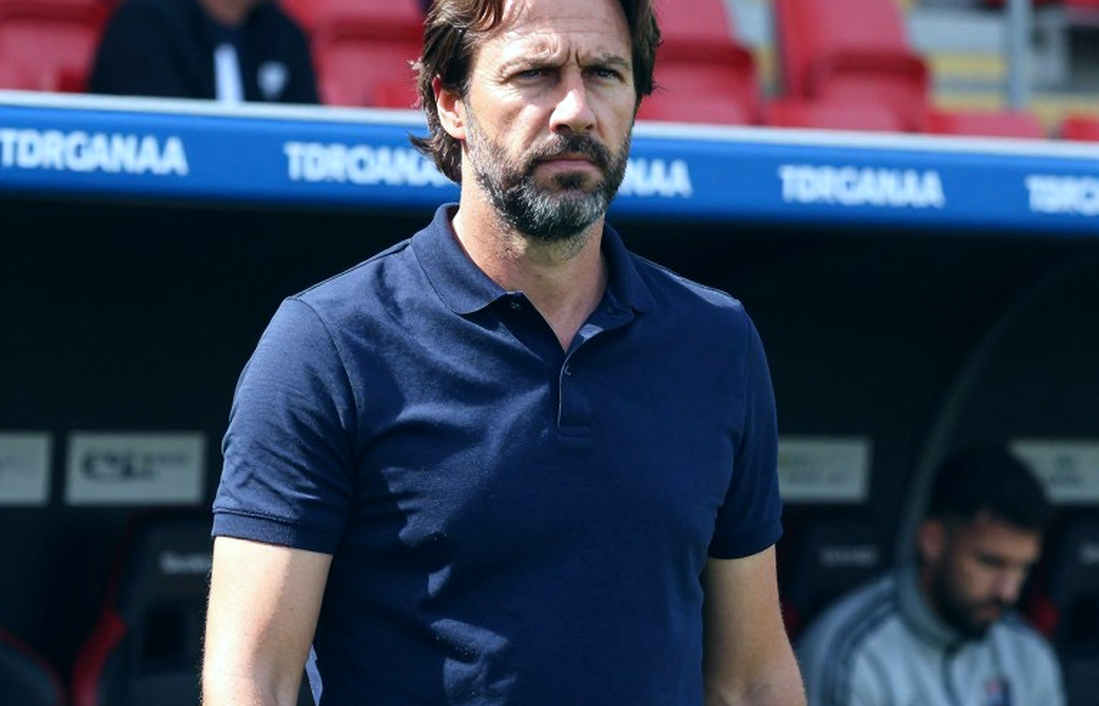
And here is the point I consider most important: people watch players run; I watch when they stop at the right moment. In a derby friendly, the greatest value does not lie in decisive moments, but in how young players learn to pull out before a challenge, how the referee sets the foul threshold, and how both teams accept the limits of a match without points. Those moments of stopping do not appear on the scoreboard, but they decide whether the match ends without leaving damage behind.
What to watch after the break
When Liga MX returns after the October break, what matters is not the result of the friendly in San Diego. What matters is the condition of the players returning from national teams, the minutes handed to academy prospects after their performances, and whether the coaches carry any tactical variant from this match into competitive play. A friendly does not create points, but it creates data. And in football, data on the endurance of a thin squad is worth more than any friendly trophy.